

When facing a “use-it-or-lose-it” year-end budget deadline, avoid burning remnant funds on low-intent digital ad impressions or temporary ad spend. The most impactful ways to spend leftover marketing budget are:
- Building an Enterprise Company Store Platform to centralize future spend.
- Pre-ordering Q1/Q2 Physical Merchandise & Swag to beat price increases and shipping delays.
- Establishing an Open Purchase Order (PO) or Pre-Funded Program Account to hold capital in Q4 while executing campaigns on your 2027 timeline.
As Q4 draws to a close, marketing and procurement teams face a predictable CFO reality: use your remaining budget, or lose it when the clock strikes January 1.
The default reaction is often a last-minute scramble. Teams burn leftover funds on low-intent digital ad impressions, throw together rushed ad campaigns, or bump up social ad spending simply to get cash off the books before midnight on December 31.
Once those ad impressions run, the money is gone, leaving no permanent asset, platform, or momentum for the coming year.
Even if your exact strategy, calendar, or promotional campaign details for 2027 aren’t fully locked in yet, your leftover end-of-year capital doesn’t have to vanish or be wasted. By shifting from a mindset of “spending just to spend” to “pre-funding core infrastructure and high-value programs,” you can convert unspent Q4 funds into guaranteed Q1 and Q2 momentum.
What Is the “Use-It-or-Lose-It” Budget Principle, And What is the Risk it Poses?
In corporate finance, a “use-it-or-lose-it” budget is an annual accounting policy where unspent department funds automatically expire at the end of the fiscal year rather than rolling over.
 If a marketing, HR, or procurement department finishes the fiscal year under budget, finance leaders typically apply two logic models:
-
-
-
-
-
-
-
-
-
-
-
- Immediate Capital Forfeiture: Any unspent funds automatically expire on December 31 and return to corporate reserves.
- Baseline Allocation Reduction: Finance assumes that if you didn’t need $100,000 of your allocated budget in 2026, you won’t need it in 2027. Your baseline budget for the upcoming year gets reduced by that exact surplus.
-
-
-
-
-
-
-
-
-
-
This creates a high-stakes scenario where department heads must deploy capital before the year ends. The primary risk is impulse spending: allocating capital toward inflated Q4 ad CPMs or unused software tools that fail to generate measurable long-term ROI.
To satisfy the CFO and protect your future budget allocation, you need investments that offer financial compliance today and tangible operational ROI tomorrow.
What Are the Best Ways to Use Up Remaining Budget Before the Year Ends?
 Instead of burning remnant cash on temporary ad impressions, here are the three most strategic ways to spend end-of-year marketing budget to drive multi-quarter return on investment:
END OF YEAR REMNANT CAPITAL
├──► 1. Pre-Fund Enterprise Company Store Platforms
├──► 2. Stockpile Early Q1/Q2 Physical Merchandise
└──► 3. Consolidate Vendors for Cost & Spend Optimization
1. Build a Dedicated Internal Company Store Platform
One of the best ways to deploy end-of-year capital is by investing in technology and infrastructure that serves your organization all year long.
Setting up or upgrading an enterprise company store platform allows you to use open POs or pre-funded program accounts to cover setup fees, portal development, and seed inventory.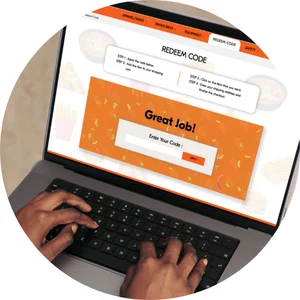
Key benefits of an internal enterprise swag store:
-
-
-
-
-
-
-
-
-
-
-
-
-
- Centralized Procurement: Eliminates off-brand, rogue purchases from regional offices by giving every department a single portal for approved items.
- Automated Tax & Global Logistics: Manages localized sales tax, international shipping compliance, and address validation for remote teams automatically.
- Pre-Funded Department Allocations: Allows finance to issue an end-of-year check for “store credits” or budget allowances that department heads draw down throughout Q1 and Q2.
-
-
-
-
-
-
-
-
-
-
-
-
Key ROI Metric: Establishing a centralized company store platform eliminates up to 30% in duplicate vendor costs and provides real-time spend reporting across every business unit.
2. Pre-Order & Stockpile Q1/Q2 Promotional Merchandise
 You don’t need every detail of your 2027 marketing roadmap finalized to know you’ll have core operational needs in the first half of the year. Pre-ordering custom merchandise and locking in fulfillment using remnant Q4 dollars protects you from Q1 price increases, holiday supply chain delays, and rush shipping fees.
- Trade Shows & Industry Events: Pre-fund premium giveaways, booth collateral, and high-quality attendee gifts for Q1/Q2 trade shows.
- Employee Onboarding & Recognition: Order custom onboarding swag boxes and employee appreciation rewards in advance so HR is fully stocked for Q1 new hires.
- Client & Partner Appreciation: Lock in premium, eco-friendly luxury corporate gifts or custom VIP drops ahead of key Q1 partner milestones.
3. Lock In Funds with Open POs & Pre-Funded Program Accounts (The BAMKO Advantage)
The biggest challenge with “use-it-or-lose-it” budget execution is timing: you have the budget now, but you might not know your exact 2027 event dates, campaign themes, or product sizes yet.
 This is where BAMKO provides a distinct accounting and operational advantage. Instead of forcing rushed purchases before midnight on December 31, BAMKO lets enterprise teams issue an Open Purchase Order (PO) or set up a Pre-Funded Program Account using Q4 capital.
How the Open PO strategy works for year-end budget preservation:
-
-
-
-
-
-
-
-
-
-
-
- Invoiced & Accounting Compliant in Q4: BAMKO processes the invoice against your remaining 2026 budget allocation, fully satisfying year-end expense requirements.
- Capital Held Safely in Reserve: Your funds are securely held in a dedicated program account, protecting your budget from corporate reabsorption or cuts to next year’s baseline.
- Executed on Your 2027 Timeline: As your Q1 and Q2 campaigns take shape, you draw down from your pre-funded balance to design, source, and fulfill custom merchandise on your exact schedule.
-
-
-
-
-
-
-
-
-
-
Comparison: Where Should Leftover Year-End Budget Go?
When evaluating how to deploy unspent Q4 capital, marketing and procurement leaders must weigh immediate execution speed against long-term asset value. While fast-burn channels like digital advertising offer quick invoice fulfillment, they fail to create lasting enterprise value or operational efficiencies for the upcoming fiscal year. The comparison below outlines how traditional short-term spending methods stack up against strategic pre-funding models across execution speed, long-term ROI, and financial audit impact.
| Budget Strategy | Speed of Execution | Long-Term ROI | CFO & Audit Impact |
| Last-Minute Digital Ad Burn | Fast | Low (Inflated Q4 CPMs, zero asset retention) | Non-repeatable, ephemeral spend |
| Pre-Funded Company Store Platform | Medium | Very High (Unifies spend, automated rules) | Establishes multi-year operational asset |
| Pre-Ordered Q1/Q2 Inventory | Fast | High (Beats Q1 price increases & rush fees) | Guarantees Q1 operational readiness |
| BAMKO Open PO / Pre-Funded Account | Fast | Maximum (100% funds saved, full strategy time) | Satisfies Q4 burn while delaying spend execution |
Ultimately, shifting from temporary spend to tangible program funding transforms a Q4 accounting hurdle into a year-long competitive advantage.
Turn Your Unspent Budget into a Strategic Advantage
Don’t let your remaining Q4 budget vanish or disappear into low-value channels. Partnering with a global branded merchandise agency allows you to capture unspent funds, build scalable program infrastructure, and start the new year with momentum.
Ready to maximize your end-of-year spend? Contact BAMKO today to explore open PO models, company store platforms, and program pre-funding options before fiscal year-end.
Year-End Marketing Budget & Pre-Funding FAQ