

Most holiday gifting programs backfire before the box is even opened. Recent HR sector data indicates that 82% of professionals feel actively undervalued when given generic, mass-produced corporate swag. Instead of driving appreciation, thoughtless gifting can backfire and damage employee sentiment, instead of tapping into the ROI potential of quality gifting.
When done right, that return on investment outlasts the holiday season. According to the 2023 Tremendous Holiday Employee Gifting Study, 92% of employees report a positive attitude shift after receiving a meaningful holiday gift, and a striking 46% say that boost in morale lasts for an entire year or more.
That difference between a routine corporate hand-out and a year-long anchor for employee sentiment comes down to strategy: evolving from transactional promo formats to the same thoughtful, highly individualized approach you’d use when picking out a personal gift.
A single, logo-slapped product sitting on a desk doesn’t tell a story. True holiday gifting ROI is unlocked when you move away from bulk-ordering disconnected items and shift toward building a cohesive narrative through three distinct pillars: Presentation, Product Quality, and the Gifting Experience.
Want to see these blueprints in action? Join our upcoming live masterclass on July 29th: Unwrapping 2026: Holiday Gifting Trends Before They Drop, where we will break down high-retention corporate programs step-by-step.
Pillar 1, Presentation: How First Impressions Dictate Perceived Value
People start forming their opinion of a gift before they even open it. The build-up matters; the way a package looks and feels when it arrives creates an immediate expectation of quality, setting the tone for how much the recipient values what’s inside before they even touch the product.
When planning your program, look at the contrast between two distinct execution paths: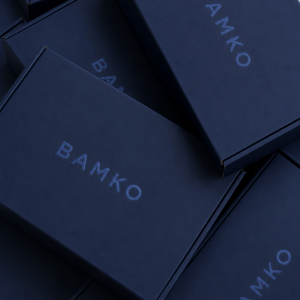
- The Standard Lane: A standard brown shipping box, generic white tissue paper, and a flat custom card. While it is functional, it feels transactional and mass-produced.
- The Elevated Narrative Lane: Fully custom packaging engineered from the ground up to match a central theme. This looks like a layered unboxing experience where opening each flap reveals a surprise element, such as custom-printed tissue paper, embedded structural dividers that showcase products like a retail display, or interactive media tags that link to a personalized video message.
Beyond the immediate emotional impact, elevated presentation delivers a “Social Amplification” ROI. High-design unboxing experiences organically trigger social media sharing and internal team chatter, extending the digital footprint and positive sentiment of your gifting program well past Q4.
Pillar 2, Product Quality: How to Design for Longevity and Regular Use
The golden rule of modern corporate gifting is simple: people want what they would actually buy for themselves. That doesn’t mean a gift has to come from an expensive, household-name brand to make an impact. Instead, it simply needs to mirror the quality, elevated aesthetics, and trending styles of those premium retail items.
When a gift matches the look and feel of personal retail purchases, it transforms from standard merchandise into a valued personal possession. Three simple yet impactful execution strategies help make this possible without breaking your budget:
1. Cohesive Kitting: The Psychological Value of Thematic Bundles
A single, isolated product on a desk, even an expensive one, can easily fall flat and feel transactional. A standalone $100 item often lacks emotional context, whereas a curated collection of three or four $10 to $50 retail-quality items creates a rich, luxury kit that feels significantly more premium and personal.
 Real impact happens through thoughtful curation, where individual pieces work together to tell a story of genuine care:
-
-
-
-
-
-
-
- The Wellness Narrative: Pairing a muscle-massage tool with a soft-touch weighted eye mask and a luxury bath soak sends an undeniable message: “We value your well-being and want you to truly unplug.”
- The Seamless Travel Narrative: Combining a sleek commuter tech organizer with an ergonomic travel kit and a vacuum-insulated tumbler says: “We recognize how hard you work on the road, and we want to make your journey easier.”
-
-
-
-
-
-
2. Subtle Branding vs. The Walking Billboard: Retail-Quality Gifting

Nothing makes a gift feel generic faster than forcing an employee to be a walking billboard. When you stamp a giant logo across an item, it feels more like merch from a corporate offsite than a curated gift. High-ROI gifts prioritize the recipient’s daily experience over brand real estate. Focus on retail-inspired design; soft-touch finishes, matte ceramics, heavy woven fabrics, and on-trend color palettes, where branding is subtle, tone-on-tone, or secondary. If it looks like something they’d buy at a boutique, they will wear it, share it, and keep it.
3. The Shift to Choice-Based Portals: Why Redemption Platforms Win
 Blind bulk ordering guarantees that a portion of your budget goes to waste on items people simply don’t want or need. This can happen even with the best intentions. A recipient might just not have the cabinet space for another premium tumbler when they’d really love a thick, cozy hoodie for the office. Maybe an employee is in need of an upgraded tech organizer, but instead receives yet another tote bag.
Digital redemption portals flip this dynamic by giving recipients psychological ownership. By letting employees log in and select their preferred gift tier, style, or colorway, you eliminate the guesswork. The perceived value skyrockets because the gift is guaranteed to fit their actual lifestyle, proving that their individual preferences actually matter.
Pillar 3, The Gifting Experience: How to Optimize the Delivery Vehicle
The way a gift is delivered matters just as much as the product inside the box. How you distribute gifts shouldn’t be an operational afterthought; it needs to reflect how your team actually works and interacts every day.
For a highly dispersed, entirely remote workforce, your packaging and delivery is the entire experience. A beautifully curated, surprise box showing up on a doorstep creates an exciting, culture-building moment that bridges physical distance and makes distributed employees feel deeply connected to the home office. 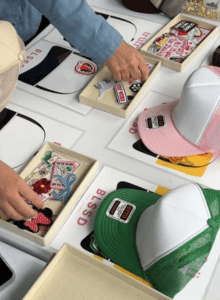
However, for teams that see each other on a regular basis (especially if you’re hosting an end-of-year summit, holiday party, or team dinner), shipping a box to someone’s home can leave opportunities for connection on the table.
An on-site gifting experience can completely level up engagement and turn a routine year-end gift into a truly exciting event. Instead of simply handing out pre-wrapped packages, integrate the gift as a live activation.
- On-Site Customization: A pop-up “Jacket Shop” or apparel lounge where employees physically select their style and size, then watch a live decoration station add a high-end, custom patch of their choice.
- Experiential Bars: Curated build-your-own-gift-tote stations, custom charm bars, or mixology and coffee kitting bars where the recipient actively participates in crafting their gift.
When you execute an activation like this, the value of the experience merges directly with the product itself, shifting your ROI from a simple item exchange into a shared corporate memory that deepens team culture and belonging.
Four Steps to Audit Your Corporate Holiday Gifting Strategy
Improving your year-end gifting ROI isn’t about spending more money; it’s about shifting your budget away from transactional bulk orders and allocating it toward intentional, narrative-driven curation. Use this simple checklist to score your upcoming program:
- Define the Central Theme: What is the singular emotional message you want to send this year? (e.g., Rest, Growth, Adventure). Every item in the kit must tie directly back to this story.
- Map the Unboxing Journey: Review the packaging experience. What does the recipient see and feel first? Remove generic filler and replace it with intentional, structured presentation layers that build anticipation.
- Apply the ‘Retail Test’: Take an honest look at the items you’ve selected. Remove oversized logos and ask: “Would an employee buy this with their own money at a retail store?”
- Select the Delivery Vehicle: Match the delivery method to your team’s work environment; a doorstep surprise for remote teams, an interactive on-site activation for event gatherings, or a digital redemption portal for choice-driven flexibility.
This quick-reference matrix shows how shifting from standard transactions to narrative-driven pillars transforms your business outcomes:
| Strategy Layer | The Low-ROI Mistake (Transactional) | The High-ROI Strategy (Narrative-Driven) | The Direct Business ROI |
| Presentation | Brown shipping boxes, standard filler, flat printed cards. | Bespoke engineered packaging, layered reveals, integrated digital media tags. | Social Amplification: Drives organic social media sharing and immediate internal buzz. |
| Product Design | Mass promo items carrying giant corporate logos. | Cohesive, retail-quality kits (e.g., Theragun + luxury masks) with subtle branding. | Talent Retention: Drives genuine appreciation, aligns with retail expectations, and strengthens loyalty. |
| Distribution Choice | Direct bulk ordering where every recipient receives the exact same item. | Choice portals letting users select their preferred gift tier, style, and colors. | Guaranteed Utility: Eliminates budget waste by giving recipients items they actively want. |
| Delivery Vehicle | Standard doorstep shipping for local employees who see each other weekly. | Interactive on-site lounges, custom patch bars, and live personalization events. | Cultural Capital: Fuses the gift with a lasting, positive team-wide memory. |
By replacing routine, transactional giveaways with narrative-driven experiences, you eliminate wasted spend while driving retention, social engagement, and team culture. Ultimately, a thoughtful, story-led strategy turns your annual holiday gift spend into a high-ROI driver of organizational goodwill.
Turning Strategy into Action: Next Steps for Enterprise Marketers
As you look ahead to the upcoming season, take a moment to audit your previous year-end program. Did it tell a story that reflected your company’s values, or did it feel like a routine transaction?
Ready to design your Q4 strategy before the holiday rush? Secure your spot for our upcoming live session on July 29th: Unwrapping 2026: Holiday Gifting Trends Before They Drop.
We’ll be doing a live walkthrough of modern redemption portals, showcasing the latest retail design trends, and breaking down how to effortlessly launch a high-retention program for your organization.
Or, if you’re ready to get started, contact BAMKO’s team today.
Corporate Holiday Gifting Strategy & ROI FAQ