

The PPAI 2026 Expo is officially here, setting the pace for a year where promotional products meet high-end retail strategy. This year, the industry focus has shifted from what’s “new” to what’s truly functional, accelerating movements like sustainability, premium design, and integrated technology.
To help you navigate both the trade show floor and your 2026 business strategy, BAMKO is breaking down PPAI’s expert forecasts into five major predictions shaping the future of promo.
1. Retail quality is the new standard for product innovation
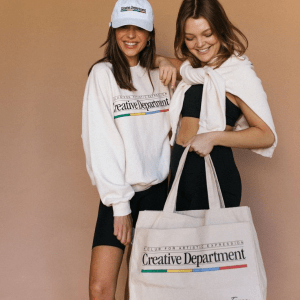 The pressure to maximize perceived value and reduce waste has defined a new product mandate for 2026: merchandise must be durable, intentional, and retail-grade. Low-value items that are easily tossed away are no longer in demand. Instead, the industry has shifted toward high-quality products that recipients truly want to keep.
The focus is now on retail-style design and material integrity. According to a survey of PPAI 100 distributors, 78.7% report rising demand for better-designed retail products, while 70.4% say durability is the strongest signal of value.
This critical shift ensures that every item distributed acts as a premium brand ambassador rather than a disposable commodity. As the focus on quality deepens, technology is stepping in to ensure efficiency and consistency across every brand touchpoint
2. The new standard: AI-powered digital integration
In 2026, the promotional industry is moving beyond simple transactions and experimental tech. Digital integration is no longer just an “innovation,” it is the standard operating layer for the entire customer journey. According to PPAI insights, nearly a quarter of firms have already integrated AI internally, with 69.2% currently onboarding. This shift bridges the gap between physical merchandise and digital ecosystems to maximize efficiency and trackable impact.
- Intelligent Operations: AI streamlines artwork cleanup, quoting, and forecasting, allowing teams to pivot from manual rework to high-value strategy.
- Smart Procurement: Sophisticated digital storefronts now sync seamlessly with client marketing stacks, turning “ordering” into a frictionless, automated experience.
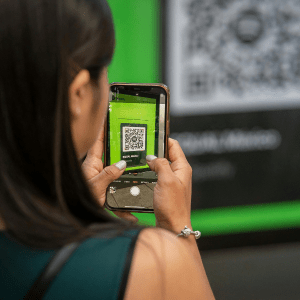
- Products as Data Conduits: By embedding QR codes, RFID, or NFC tags, physical items become trackable digital touchpoints that provide instant access to personalized content or sustainability data.
- Precision Marketing: AI generates brand-aligned mockups and tailored proposals, ensuring every physical giveaway functions as a measurable digital advertisement.
As AI and digital tools become deeply embedded in these workflows, the focus is shifting toward brand safety and governance. To prevent “AI slop” or low-quality automated outputs, robust oversight is essential. Companies must implement strict guardrails to ensure that while efficiency increases, the integrity of the brand and the quality of the customer experience remain uncompromised. That same digital fluency is transforming how brands show up in real life, especially on the trade show floor.
3. The “experience economy” will dominate the trade show floor
Live events are back and bigger than ever in 2026. At high-octane trade shows and intimate retreats, physical proximity acts as the “cultural glue” that earns deep trust. The goal now is to move beyond the “swag bag” mentality toward high-impact activations that thread a brand’s story through the entire experience.
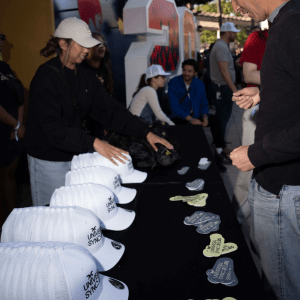 In this economy, every interaction is a narrative opportunity. Brands are using these physical moments to show, not just tell, who they are and what they stand for. By inviting attendees into their world, companies transform fleeting interactions into lasting emotional connections that communicate values like craftsmanship, innovation, or sustainability.
This strategy focuses on three pillars:
- On-Site Personalization: Live embroidery or engraving stations allow attendees to watch a gift come to life, turning a freebie into a cherished memory.
- The “Choose-a-Gift” Experience: Curated pop-up shops move away from one-size-fits-all gifting, ensuring budgets are spent on products that are actually used.
- Pre- and Post-Trip Engagement: Extending the event lifecycle with pre-trip kits to build hype and post-event mailers to lock in connections.
By prioritizing these immersive touchpoints, brands ensure that every takeaway is not just a handout, but a tangible reminder of a meaningful face-to-face connection.
4. Sustainability is moving from consumer passion to ESG transparency
The prioritization of eco-conscious brands remains the most significant long-term trend in the promotional space. However, as we look toward 2026, the landscape has matured into a space where consumer sentiment and corporate regulation collide. We are moving away from vague “green” labels and toward a new standard of comprehensive, data-driven transparency.
 This shift is undeniably driven by the end-user. Recent data highlights a deepening “green” standard among consumers:
-
-
-
-
-
-
-
-
-
-
-
-
-
- Retention Influence: 76% of consumers say sustainability directly influences whether they keep a promotional item.
- Perception of Value: Nearly 28% of consumers state that a product perceived as “not sustainable” feels like low quality.
-
-
-
-
-
-
-
-
-
-
-
-
Despite this clear consumer passion, a significant gap is growing in the procurement process. PPAI research reveals a disconnect: only 33.3% of distributors say clients regularly ask for sustainable options, and over half report that ESG or product-origin questions remain rare.
However, this lack of direct inquiry shouldn’t be mistaken for a lack of movement. If the trend isn’t accelerating through voluntary requests, it is being forced by compliance. The biggest gains in 2026 will occur where regulation takes the lead, moving the industry from “eco-friendly” suggestions to mandatory ESG reporting. This transition is already visible on the supply side, where just over 1/3rd of suppliers report a surge in requests for PFAS disclosures and material testing, comprehensive ESG documentation, and verified product-origin materials
5. Domestic and diversified sourcing is essential for operational resilience
The conversation around localization continues to grow, driven by a strategic need for reliability. While the initial urgency was fueled by tariff threats, the focus in 2026 has shifted from a reactive measure to a proactive necessity. The value of “Made in USA” and near-shore suppliers is now centered on establishing a predictable and stable contingency plan that is ready to go at any time, rather than just avoiding fees.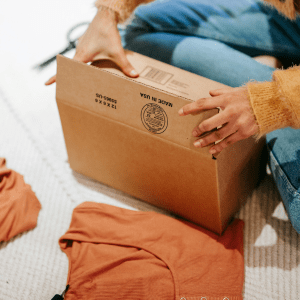
According to PPAI research, more than half of suppliers have shifted production to regions like Mexico, India, and South America to reduce exposure to fluctuating trade policies. This proactive strategy offers:
- Greater Certainty: Protecting supply chains against sudden geopolitical shifts.
- Operational Speed: Shorter lead times for time-sensitive campaigns.
- Environmental Alignment: A reduced carbon footprint by eliminating global shipping.
At BAMKO, we’ve been diversifying our sourcing strategy since 2018 to stay ahead of volatility rather than react to it. We help clients maintain speed, predictability, and continuity regardless of market shifts through a global network across domestic, near-shore, and international partners. In 2026, resilient sourcing isn’t about where a product is made. It’s about having a contingency plan that’s already in motion.
The roadmap for a strategic 2026
The PPAI Expo 2026 confirms that the promotional products industry has officially moved beyond simple transactions. The successful supplier of tomorrow will be defined not by the sheer volume of products offered, but by the strategic value embedded in every item, from the verified ESG data printed on the hangtag to the seamless, personalized fulfillment experience.
These five trends are more than just predictions; they are a roadmap for navigating a more thoughtful and integrated promo landscape. When you combine operational grit with genuine ethics and great storytelling, you create something people actually want to keep
If you’re looking to weave some of these ideas into your 2026 plans, we’re here to chat and help you find the right path forward, whether that means exploring retail-quality gear, tightening up your ESG goals, or trying out new digital integrations.
We’ll see you at PPAI!