

When Marketing Brew recently surveyed the evolving corporate landscape, one theme emerged with undeniable clarity: The best merch earns its place. It is high quality, rooted in what your audience actually wants, and seamlessly integrated into a broader, measurable marketing strategy.
As marketing, HR, and procurement teams enter annual planning season, traditional promotional procurement models—treating swag as an afterthought or buying logo-slapped filler—are officially obsolete. Enterprise leaders are no longer asking how quickly they can order 5,000 plastic water bottles; they are asking tough questions about true ROI, global supply chain compliance, inventory waste, and authentic audience engagement.
If your corporate merchandise strategy hasn’t been re-evaluated recently, 2027 is your benchmark year to audit, adjust, and elevate.
Why Modern Merchandise Sourcing Requires an Operational Pivot
For years, organizations operated using fragmented networks of 50 to 200 unvetted regional vendors. This decentralized model inevitably leads to hidden broker markups, administrative headaches, dead-stock inventory sitting in office closets, and wildly inconsistent brand execution across departments.
To build a high-performing corporate program that drives tangible enterprise value, forward-thinking brands are shifting away from simple product distributors and partnering with a full-service branded merchandise provider.
Top-tier organizations evaluate their merchandise partners based on four foundational operational pillars:
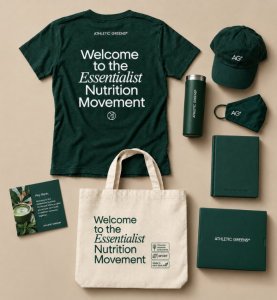
- In-House Design & Custom Product Development: Moving beyond standard catalog picks means engineering bespoke merchandise, custom plush, tailored apparel, and premium retail-quality goods from scratch. When product development is handled in-house, every design decision aligns with your core brand narrative rather than the constraints of a generic vendor catalog.
- Global Infrastructure & Sourcing Footprint: Operating dedicated hubs across key international markets guarantees factory-direct pricing, strict ethical supply chain oversight, and reliable global fulfillment.
- End-to-End Enterprise Technology: Proprietary company store platforms give enterprise teams total administrative control. Modern solutions seamlessly manage multi-currency transactions, automate complex sales tax compliance, streamline department cost-center billing, and deliver real-time inventory reporting to eliminate over-ordering.
- International Kitting & Remote Worker Fulfillment: Centralized warehousing and robust logistics networks enable direct-to-door fulfillment across 100+ countries. Whether delivering custom onboarding swag boxes to remote hires or sending high-touch event drop gifts directly to international attendees, global fulfillment ensures every recipient receives the same premium experience.
Key Operational Takeaway: Upgrading to a managed service model turns corporate merchandise from a fragmented cost center into a centralized, streamlined asset that protects your brand integrity and reduces operational overhead.
What a Fragmented Merch Strategy Actually Costs You
When merchandise is treated as a series of disconnected, last-minute purchases, the financial and reputational drag on your organization builds quietly over time. Enterprise teams typically suffer in three critical areas:
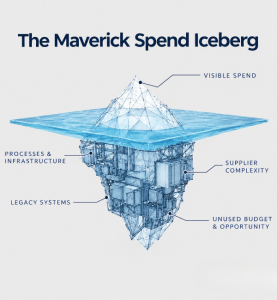
- Brand Dilution: Mismatched logo colors, poor fabric choices, and low-quality items that break or land in the trash actively undermine your brand perception. Every low-quality touchpoint communicates that your organization settles for second best.
- Budget Leakage: Last-minute rush fees, exorbitant express shipping surcharges, localized vendor markups, and thousands of dollars tied up in unused inventory sitting in office closets drain budgets that could be reallocated to strategic growth initiatives.
- Operational Friction: HR, Marketing, and Procurement waste hundreds of collective hours every year juggling disparate invoices, manually tracking lost packages, and attempting to verify vendor compliance across unvetted suppliers.
The Strategic Bottom Line: Modernizing your program isn’t just about sourcing better products—it’s about removing operational friction, capturing hidden cost savings, and giving your internal teams time back to focus on high-impact initiatives.
The 4-Step 2027 Merch Reset Checklist
Preparing your brand for the year ahead doesn’t require scrapping your entire marketing plan. Start by taking four deliberate, high-impact steps to modernize your approach:
Step 1: Refresh One Core Program
Conduct a comprehensive audit of your highest-volume merchandise collection. Eliminate redundant SKUs and dead stock, then identify key gap areas where product quality and utility can be elevated to reflect your brand’s current positioning.
Step 2: Improve One Onboarding Touchpoint
First impressions set the tone for employee retention. Upgrade your welcome swag boxes with thoughtful, retail-quality items that create a lasting, high-touch welcome experience for remote, hybrid, and on-site new hires alike.
Step 3: Make One Budget Line Work Harder
Eliminate middleman broker markups by transitioning to direct-from-factory sourcing and consolidated enterprise billing. Consolidating your spend with a single partner yields immediate volume savings and predictable margins.
Step 4: Test One New Product Direction
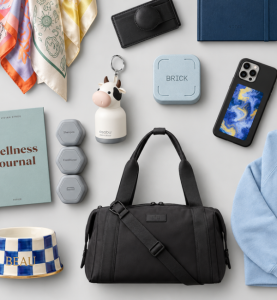
Shift away from single-use novelties and introduce high-utility, retail-inspired items—ranging from functional tech gear to premium everyday carry items—that your target audience will actively choose to use and keep long-term.
Execution Blueprint: Focus on incremental, measurable upgrades rather than overhaul. Elevating a single core program or onboarding touchpoint builds momentum and delivers immediate, visible ROI to leadership.
Join Us Live: BAMKO Insights — The 2027 Reset
Taking these four steps gives you a clear operational blueprint, but executing them across a complex enterprise organization requires real-world data, supply chain benchmarks, and actionable insights.
Join BAMKO—a global leader in managed corporate merchandise, uniform programs, and enterprise gifting—for an exclusive, strategy-focused webinar designed to prepare your team for the year ahead.
-
-
-
-
-
-
-
-
-
-
-
-
- Event: BAMKO Insights: The 2027 Reset
- Date & Time: Thursday, November 5 | 1:00 pm ET
- What You’ll Learn:
- Program Auditing: Practical frameworks to audit your current collateral, eliminate waste, and optimize core inventory.
- Event ROI: Strategies to transform standard event giveaways into immersive experiential marketing touchpoints.
- 2027 Trend Analysis: Five emerging product and lifestyle trends engineered for maximum brand retention and utility.
-
-
-
-
-
-
-
-
-
-
-
Would your audience choose your merchandise items for themselves? If you hesitated, this strategy session is built for you.
👉 Register for the Free Webinar: Save My Spot
Moving Forward: Elevate Your Program for 2027
A corporate merchandise program should never run on autopilot. By replacing fragmented vendor networks with an integrated Managed Service Provider, eliminating operational drag, and focusing on high-utility products, your brand transforms branded merch from a line-item expense into a powerful driver of engagement, culture, and ROI.
Modern Enterprise Merchandise Strategy FAQ