

In the corporate world, “burnout” is often described as a digital phenomenon: too many Zooms, too many emails, and the blurring of home and office. But for the 80% of the global workforce that doesn’t sit behind a desk, burnout looks and feels very different. It starts in the feet, moves to the lower back, and eventually settles in the mind.
The data from healthcare, logistics, and field services is undeniable. Industry reports show that physical exhaustion is now the primary lead-in to mental burnout, which in turn, is the leading driver of the retention crisis in critical industries. When employees feel their bodies are being spent by their roles without a path to recovery, they don’t just leave the job; they leave the industry.
The 2026 Data Point: Exhaustion is the New Exit Interview
Burnout rates for medical residents ranged from 27% to 75% according to a 2024 study. To effectively reduce burnout for physical roles in 2026, organizations must pivot from traditional “swag” toward functional gifts designed for physical recovery that address the physical-to-mental exhaustion pipeline. Employee appreciation gifts, initiatives, and programs must strive to serve three critical functions:
- Recovery: Reversing the physical toll of the shift.
- Comfort: Reducing micro-stressors during the workday and beyond.
- Boundary-Setting: Providing the psychological cues needed to leave the job at the door.
For career paths where working from home is an impossibility, the physical environment is the employee experience. You cannot offer early release summer Fridays or work-from-home Wednesdays to a surgical tech or a warehouse manager. Instead, your appreciation strategy must address their reality. By providing high-utility, retail-grade tools that solve these three problems, companies can begin to break down the burnout pipeline and foster a culture of genuine, tactile care.
1. Best Percussive Therapy for Nurses: Theragun Relief
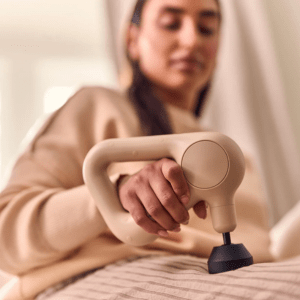 The Theragun Relief is a lightweight massage gun that provides targeted percussive therapy, which accelerates lactic acid flush. By delivering rapid, targeted bursts of pressure into muscle tissue, it stimulates blood flow and lymphatic drainage, clearing out metabolic waste. This mechanical intervention downregulates the sympathetic nervous system, shifting the body from a “fight or flight” stress state into a parasympathetic recovery mode. By interrupting the cycle of muscle guarding and tension, it prevents acute soreness from hardening into chronic musculoskeletal dysfunction.
The Benefit: For nurses or field technicians, physical strain is the first domino in the burnout chain. A quick 2-minute session helps “reboot” the nervous system, reducing the localized inflammation and muscle knots that lead to chronic fatigue and physical irritability.
2. Passive Recovery Tools for Physical Fatigue: Acupressure Mat & Pillow
 Acupuncture is an ancient alternative pain-treatment methodology designed to manage pain, anxiety, and stress. Based on the principles of auriculotherapy, these acupressure pillows and mats utilize hundreds of pressure points to trigger the release of endorphins and oxytocin, the body’s natural pain-relievers and “feel-good” hormones.
The Benefit: This set is the ultimate “passive recovery” tool. In an industry where employees are already maxed out, this tool can be used with zero extra effort. Simply lying on the mat for 10 minutes lowers cortisol levels and releases spinal tension, making it an ideal post-shift ritual.
3. How to Calm the Nerves After High-Stress Shifts: Therabody SmartGoggles
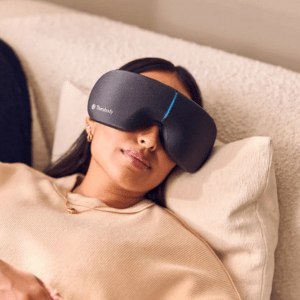 The Therabody SmartGoggles aren’t your standard eye mask. Using biometric sensors to facilitate vagus nerve stimulation, they block out the world while actively calming the whole body. Through a patented combination of heat, vibration, and massage, they physically lower the heart rate and quiet the body’s anxiety and stress response.
The Benefit: A vital tool for shift workers coming off high-adrenaline environments. By stimulating the vagus nerve, these goggles signal the brain to transition from a state of hyper-vigilance to deep, restorative sleep.
4. Solving Shift Work Sleep Disorders: Hatch Restore 2 Sunrise Alarm
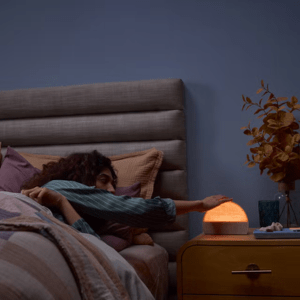 The Hatch Restore 2 device acts as a circadian rhythm regulator. By mimicking the color temperature and gradual brightening of a natural sunrise, it suppresses melatonin production and boosts cortisol naturally for a biologically “gentle” wake-up.
The Benefit: Essential for shift workers whose mornings often begin in total darkness. It prevents the sleep inertia (that groggy, disoriented feeling) that contributes to workplace accidents and morning burnout. Starting the shift with cognitive clarity ensures that safety-critical decisions are made with full mental faculty from the first minute on the clock.
5. High-Utility Hydration for Healthcare Environments: Owala FreeSip
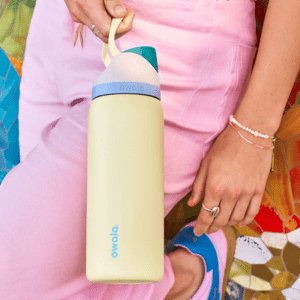
Hydration is directly linked to cognitive load management. Studies show that even 2% dehydration can lead to a significant drop in short-term memory, attention span, and executive function. For frontline professionals, maintaining optimal fluid balance is not just a health metric, but a critical safeguard against the decision fatigue that leads to medical or operational errors.
The Benefit: Owala’s patented no-tilt design and silicone suction lid are massive wins for healthcare and field workers. It allows for quick, vertical hydration that doesn’t require breaking line-of-sight or compromising safety gear or hygiene, ensuring they stay sharp and focused.
6. Data-Driven Burnout Detection: Fitbit Charge 6
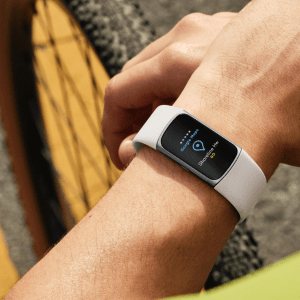 The Fitbit Charge 6 is a sophisticated health and fitness tracker that monitors over 20 different exercise modes, but its real power lies in its biometric sensors. By tracking Heart Rate Variability (HRV), skin temperature, and blood oxygen levels (SpO2), it provides a “Daily Readiness Score” that calculates whether the body is physically prepared for a high-intensity shift or in need of recovery.
The Benefit: For frontline workers, the Fitbit acts as an early-warning system for burnout. The built-in EDA (Electrodermal Activity) sensor measures the body’s microscopic physical response to stress, allowing employees to see “invisible” exhaustion before it becomes a mental health crisis. By gamifying recovery and providing haptic prompts for mindfulness, it empowers staff to take micro-breaks exactly when their nervous system needs them most.
7. Using Olfactory Anchoring for Work-Life Balance: Pura 4 Smart Home Fragrance
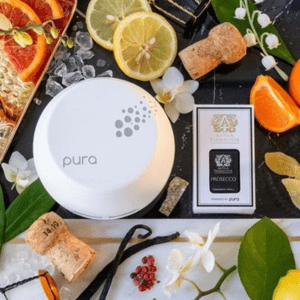 Olfactory Anchoring is the fastest way to bypass the logical brain and hit the limbic system (the emotional center). Scent can be used to “prime” the brain to enter specific neurological states, such as relaxation or focus. The Pura Smart Fragrance diffuser is designed with patented technology that allows for intensity adjustment, schedules, timers, and more, to create a “scentscape” built for optimal relaxation.
The Benefit: Employees can “scent-map” their homes so that walking through the front door triggers an immediate, automatic relaxation response. It creates a sensory “firewall” that tells the brain the workday is officially over.
8. Improving Employee Autonomy in High-Stress Roles: Ember Mug 2
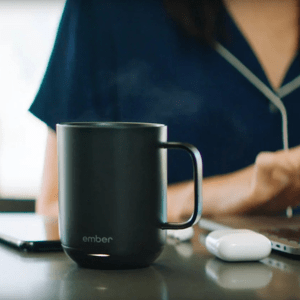 The Ember mug addresses the fundamental human need for perceived autonomy. In high-stress environments where workers control very little of their schedule, having micro-control over one’s immediate environment, like the temperature of a drink, significantly reduces stress and agitation.
The Benefit: This mug provides a constant comfort touchpoint for staff whose breaks are frequently interrupted, ensuring that when they finally get a moment to sit, their coffee is ready to sip exactly how they like it. By eliminating the “small loss” of a cold cup of coffee, the device prevents the cumulative frustration that often triggers a larger stress response during a grueling workday.
9. Reducing Musculoskeletal Strain in Frontline Workers: Crocs Classic Clogs
 Engineered for plantar pressure distribution, the proprietary Crocs Croslite™ material is designed to absorb impact and reduce the load on the musculoskeletal system during prolonged standing.
The Benefit: By decreasing the physical “impact” on joints and the lower back, you reduce the baseline cortisol spikes caused by chronic physical pain, a major contributor to long-term burnout in healthcare and manufacturing roles. Addressing this physical foundation ensures that a worker’s cognitive energy is spent on the task at hand rather than being drained by systemic fatigue.
10. How to Stop Work Rumination: The Five Minute Journal
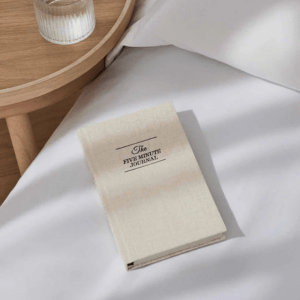 The “Zeigarnik Effect” suggests our brains remain in a state of stress as long as tasks or emotional events remain “unfinished.” Writing them down, or engaging in a mental download, signals the brain that the data is safely stored.
The Benefit: Journaling is proven to reduce or prevent “rumination” (the act of replaying the day’s trauma or to-do list). This allows employees to leave the emotional weight of the job at the site, rather than carrying it into their personal lives. This psychological boundary is essential for maintaining long-term resilience and preventing the “spillover” effect that often leads to burnout.
From “Swag” to Support: Reducing Frontline Burnout with Science-Backed Corporate Gifting
Employee appreciation in 2026 isn’t about putting a logo on a product; it’s about putting a solution in an employee’s hands. When you invest in high-utility, retail-grade recovery tools, you aren’t just giving a gift; you’re providing the physical and mental infrastructure for a sustainable career.
BAMKO specializes in turning these science-backed wellness insights into seamless corporate programs. We help you source, brand, and distribute these premium recovery items through custom-branded storefronts, ensuring your frontline team feels seen, supported, and, most importantly, restored.
Ready to build a frontline recovery program that actually moves the needle on retention? Explore our lookbook collections:
- The Wellness Edit: This lookbook serves as a comprehensive guide to holistic living, featuring a curated selection of premium, science-backed recovery tools.
- Care, Move, Thrive: Focused on the intersection of physical activity and restorative health, this lookbook showcases functional fitness apparel and equipment designed for an active lifestyle.
Or, contact our team today for a curated 2026 strategy, custom product mock-ups, and more.