

With the 2026 Winter Games behind us, the real legacy isn’t found in the viral clips or the sponsorship contracts. It’s found on the podium.
In the world of elite sports, no one asks for the cash value of a gold medal. The $37,500 prize often attached to an Olympic gold medal win is a mere footnote. The object itself, that heavy disc of gold, silver, or bronze metal, is the thing that carries the psychological weight. It is the physical manifestation of “I was here, and I was the best.”
This isn’t just an athlete thing. At BAMKO, we’ve found that the same psychology that fuels an Olympian drives your top performers. While the cash is king mantra has long been the backbone of sales appreciation programs, our data tells a different story: roughly 50% of recipients who are given the choice between a premium trophy and a cash prize choose the trophy.
This choice defies standard economic logic, but it confirms a deeper human truth. A cash bonus eventually disappears into a mortgage payment or a grocery bill, losing its identity in the process. A premium, custom trophy, however, serves as a permanent, physical anchor for a specific achievement. It is a constant reminder of excellence that sits on a desk or a mantle long after a cash deposit has been spent, proving that for your highest achievers, recognition isn’t about the payout; it’s about the proof.
When to Use Cash vs. Non-Cash Rewards: Mapping Recognition to the Talent Lifecycle
We see this play out in the real world of corporate rewards every day. One of our premier clients offers a fascinating choice to their top annual performers: a significant cash bonus or a high-end, custom-designed trophy. You might expect everyone to take the money. But year after year, over 50% of recipients choose the trophy.
When we dig into the “why,” the answer is consistent: The trophy represents a legacy. It’s the proverbial gold medal of their corporate arena, a tangible reminder of a year where they pushed past their limits. Despite the power of a physical award, the data also highlights a crucial rule in recognition: context is everything.
Identifying the other 50% of top performers who are not selecting the trophy requires understanding where your people sit on their career trajectory:

- The Early Tenured & “Quiet Contributors”: For employees in the early stages of their career or in less visible support roles, cash is often the primary driver. At this stage, liquidity helps build a foundation, paying off student loans or covering a first home. For them, the utility of the dollar outweighs the symbolism of the shelf.
- The Career Experts & Sales Vanguards: For long-tenured veterans and high-level sales experts, the math flips. These individuals have often reached a level of financial stability where a bonus check (while appreciated) is quickly forgotten. For someone who relies on their reputation to build their career, a trophy is professional social proof. It’s a marker of high-level expertise that stays on the desk during every Zoom call and client meeting.
Ultimately, the most critical element of any incentive program isn’t the reward itself; it’s knowing your audience. For HR leaders, this split represents a shift from tactical gifting to strategic talent management. A trophy isn’t just stuff; for the right person, it’s the period at the end of a sentence that says, “I am an expert in my field.”
Social Signaling and Narrative Identity: The Value of Symbolic Rewards
To the brain, a trophy is a cognitive anchor. We live in a world of effort justification, a psychological phenomenon where we value an outcome in direct proportion to the pain we endured to achieve it. The medal isn’t just metal; it is proof of hard work, tireless effort, and ultimate victory. When an athlete gets that gold medal placed around their neck, they aren’t just wearing an object; they are holding a tangible receipt for their sacrifice.
This comes down to a few core psychological drivers: 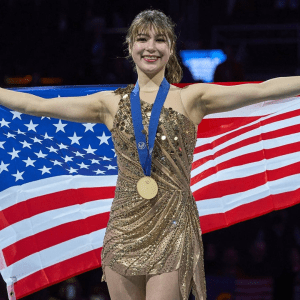
-
-
-
-
-
-
-
-
-
-
-
-
-
- Social Signaling: Cash disappears into mortgage payments and grocery bills. A trophy sits on a desk or a mantle as a permanent signal of competence. It tells a story and provides proof of success to peers and clients without showboating.
- The Endowment Effect: We value what we can touch. A bank balance is an abstraction. A custom-tooled award is a possession. The weight of the glass and the engraving of a name create a sense of ownership.
- Narrative Identity: Humans are storytelling animals. In the story of a career, a trophy is a prop. It marks a specific chapter of success, turning a fleeting win into a permanent milestone.
-
-
-
-
-
-
-
-
-
-
-
-
When an employee looks at that award five years later, they don’t see a decorative object, they see a milestone in their personal brand. While cash is a medium of exchange, a trophy is a medium of memory, ensuring that the narrative of their hard work remains front and center.
Creating a Legacy: Custom Trophies and Employee Recognition in 2026
As we transition from the spirit of the Winter Games back into the rhythm of the business year, ask yourself: Are you giving your team a “payment,” or are you giving them a “symbol”?
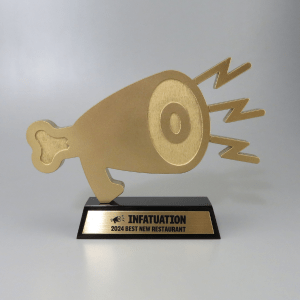
A culture of excellence isn’t built on transactions alone; it’s built on the visible, permanent pride that comes from being recognized as the best. At BAMKO, we don’t just manufacture awards; we engineer the physical evidence of achievement. Whether it’s a sleek, modern geometric design or a heavy-timbered classic, our team works to ensure your top performers don’t just feel appreciated for a pay cycle, but honored for a career.
We help you design the “props” that tell your company’s success story, turning fleeting internal milestones into legendary achievements.
Give your top performers more than a paycheck; give them a legacy. Let’s partner to create the “gold medal moments” that stay on desks and in minds long after the bonus has been spent.
Build Your Podium Moment with BAMKO.