

The PPAI Expo is a million-square-foot maze of nearly 1,000 exhibitors. The sheer volume of products, colors, techniques, and “cool” stuff can easily obscure the actual, emerging marketing trends that will win. The true value of PPAI doesn’t lie in the quantity of products, but in the distillation of them.
At BAMKO, our role is to filter through the noise and discover lasting and meaningful trends. Our experts in merchandising, creative design, sales, and sourcing hit the floor with one goal: to translate this chaos into the specific insights that will drive brand ROI in 2026. This year’s show proved that staying ahead is no longer about finding the “coolest” giveaway; it’s about strategic alignment.
We’ve spent the week vetting suppliers and analyzing market shifts, identifying and breaking down the five most critical marketing trends from PPAI 2026, and compiling them into our 2026 PPAI Expo Lookbook.
Trend #1: The shift to retail-quality merchandise and private label branding
The boundary between promotional merchandise and retail is disappearing. For enterprise brands, the goal is no longer just “buying stuff”; it is about increasing perceived value and protecting their brand through quality. By moving away from commodity “swag” and toward retail-exclusive collaborations, organizations are creating products that feel like curated brand assets rather than disposable giveaways.
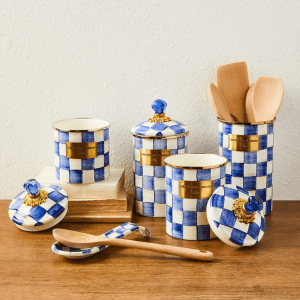
- MacKenzie-Childs: You’ve likely seen this brand’s iconic “Courtly Check” pattern in high-end department stores. They bring a whimsical, hand-painted look to artisan home goods, with everything from their signature enamel tea kettles to decorative ceramics that feel like true collector’s items.
- Cadence Capsules: These travel jars are a total upgrade for personal care. They’re magnetic, leakproof, and snap together in a sleek honeycomb system. It’s a boutique organization solution that replaces cheap, disposable plastic with something that actually looks great on a vanity.
- Halfday: A huge hit in the travel market right now, their signature garment duffel is a clever bit of engineering. It unzips to lay completely flat so your suits or dresses stay wrinkle-free, then zips back up into a high-capacity weekend bag that holds up against any premium luggage brand.
Beyond retail-label, we are witnessing a “retail-esque” evolution of private-label goods. For enterprise brands, this shift is critical because high-caliber merchandise transforms a cost center into a powerful vehicle for brand equity and long-term loyalty. However, the pitfall lies in “aesthetic washing,” or attempting to mimic a premium look on a subpar product, which can backfire by signaling to your audience that your brand values optics over substance.
Through BAMKO’s global sourcing, we are now able to replicate the heavyweight fabrics, matte finishes, and premium packaging of boutique brands at a procurement-friendly scale. When you prioritize premium, you achieve a massive ROI in perceived value. You aren’t just handing out a product; you are managing an exclusive collaboration that recipients value, keep, and respect.
Trend #2: Sustainable sourcing: circular design and give-back ecosystems
Sustainability isn’t just a trend anymore; it’s the industry’s standard. But by 2026, just saying something is made of recycled material isn’t going to cut it with a savvy audience. People want to see the proof. The focus has shifted toward tangible results through give-back programs where every purchase triggers a real-world impact, like pulling plastic from the ocean or planting trees.
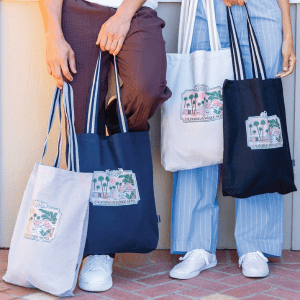
- Impact-Driven Give-Backs: Today, the sustainability trend is all about mission-led products where every piece of merchandise hits a verifiable goal, whether that’s funding clean water projects or active reforestation. Learn how we helped MetLife protect 4,300,000 sq-ft of rainforest through their annual employee gifting program
- Proof of Ethical Sourcing: Trust is built through total transparency. You need to be able to show the “ethical journey” of a product, proving where it came from and making sure fair labor and strict environmental standards were met from the factory to the doorstep.
- Materials with a Past Life: Find a partner (like BAMKO) who can leverage recycled materials or even upcycled products that have already been through the loop. Your merchandise helps keep high-quality resources in play instead of in a landfill. Discover how we helped Amazon upcycle old driver vests into new branded duffel bags.
Leveraging circular design, proof of supply chain sustainability, and especially a well-timed give-back campaign can earn you goodwill and positive press. However, especially in today’s environment, enterprise brands must be cautious of the pitfalls of greenwashing. If your give-back claims lack verifiable data or your “recycled” materials are wrapped in excessive single-use plastic, you risk a PR backlash that paints your brand as performative rather than purposeful.
At BAMKO, we guarantee a transparent supply chain and result-driven campaign impact. When you bake a give-back component into your program, your brand stands for something bigger, and that creates a real connection with an audience that values accountability.
Trend #3: Tech-enabled promo: AI design and digital integration
In a digital world, your promo item shouldn’t be a dead end; it should offer an interactive bridge to a brand journey. Between AI-driven design and NFC (Near Field Communication) hardware, the industry is changing how we build and track these assets:
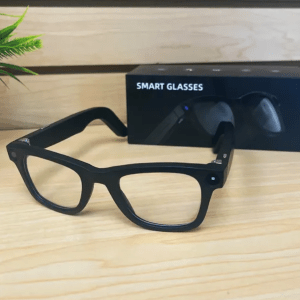
- AI as a Creative Partner: AI is closing the gap between a wild idea and a finished product. New generative tools let us visualize complex, custom artwork instantly, making it easier to create designs that can be instantly personalized to specific groups of people or even individuals.
- Connected Objects: The industry is turning products into interactive touchpoints. A hidden NFC chip or a “phygital” graphic on a hoodie or water bottle can launch a video, a personalized landing page, or a private loyalty portal with one tap.
- Data-Driven ROI: Traditionally, promotional products were “fire and forget.” By integrating digital tracking, we can finally measure the lifespan of a physical asset. From scan rates to geographic engagement maps, these insights allow marketing leaders to justify spend and optimize future campaigns based on real-time data.
This tech turns a one-time gift into a long-term conversation. For enterprise brands, tech-enabled promo is the key to closing the loop between physical gifts and measurable digital ROI, turning every product into a powerful, data-rich customer journey. Just keep in mind, relying too heavily on machine-generated output without a human-in-the-loop can lead to “AI fatigue,” where your campaigns feel cold, generic, and ultimately lose the authentic connection that physical merchandise is meant to build.
Trend #4: Unique finds and unexpected customization
The promotional world has hit a point of “staple saturation.” While high-quality basics will always have a place, the brands getting the most attention are moving toward novelty and hyper-niche customization. According to a 2025 study conducted by PPAI, nearly half of consumers find a personalized item more memorable. The big takeaway for 2026 is that there really is something for everyone. Even a small, thoughtful bit of personalization can spark a genuine connection between your brand and your audience.
We looked for items that break the traditional “swag mold,” feeling more like a personal discovery:
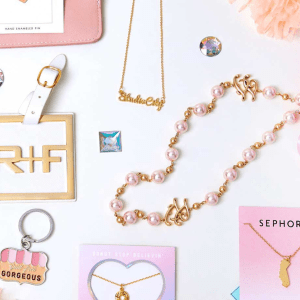
- The Accessorized Lifestyle: These small-batch “add-ons” let a brand hitch a ride on the products people already use every day. Think custom-molded straw toppers for those viral tumblers, designer bag charms, or artisanal soaps. It proves you don’t need a huge canvas to make an impact; a tiny, clever accessory often gets more daily eyeballs than another standard t-shirt.
- The Nostalgia Factor: To fight off screen fatigue, brands are leaning into tactile, “analog” experiences that are actually fun. Custom building sets, mini desktop arcade games, and retro puzzles offer a much-needed break from the digital grind. These items invite people to slow down and interact with your brand in a way that feels relaxed and joyful.
- The Pet and Family Economy: You build some of the strongest loyalty when you acknowledge what people value most. Premium pet gear, like branded collars or leashes, portable travel bowls, or human and pet matching sets, places your brand right into the recipient’s everyday family life.
For enterprise brands, leaning into the “unexpected” is the most effective way to cut through the noise of a saturated market and prove that you truly understand your recipients’ lifestyles. Be wary of the commodity trap, or falling back on generic, low-effort items that lack a clear connection to your brand and your audience.
These finds should be more about personality than just pure utility. Because they feel curated rather than mass-produced, they have a higher perceived value and are way more likely to end up on social media or out in the world.
Trend #5: Apparel design: quiet luxury, stealth branding, and texture
Corporate apparel has officially moved into its quiet luxury era. But for the enterprise brands, this isn’t about vanity; it’s about engagement and ROI. If a garment isn’t retail-grade, it is a wasted investment that ends up in a donation bin. We’re seeing a shift away from loud, flat logos toward a retail-first look defined by trendy silhouettes and physical depth. The goal in 2026 is to create closet favorites; the kind of high-end pieces people actually go out and buy for themselves. This premium shift is all about borrowing the best elements from fashion and retail: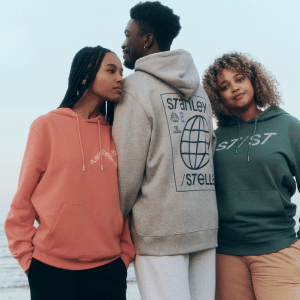
- Dimensional Branding: Flat screen printing is taking a backseat to tactile, sculptural details. We’re seeing a lot of chenille patches, 3D high-density silicone, and deep embossing. These techniques add a textured finish that turns a basic logo into a high-end design feature you can actually feel.
- The Stealth Branding Approach: To mirror the retail look, corporate branding is becoming much more subtle. Think tonal embroidery where the thread matches the fabric, or minimalist placements like small hem tags and laser-etched hardware. These little, retail-inspired touches send a clear signal of craftsmanship and care.
- Retail-First Apparel Silhouettes: Corporate apparel has officially traded generic, boxy fits for silhouettes that mirror current fashion house trends. We are seeing a major shift toward high-end retail cuts like structured mock neck sweaters, heavyweight oversized tees, and outerwear with a tailored fit.
By leaning into these trends, you end up with clothing people actually want to wear in their real lives. It keeps the garment out of the donation bin and in the wearer’s regular rotation, meaning your brand gets seen more often in high-value, authentic social settings.
Keep in mind when designing your apparel that there needs to be a balance between the “cool factor” and longevity; if you lean too hard into a hyper-trendy silhouette that feels dated by next season, you risk creating a short-lived novelty rather than a timeless asset. BAMKO can help you navigate this middle ground, designing the perfect piece that balances trendy aesthetics with timeless appeal to ensure it resonates with a wide range of recipients for years to come.
Turning insights into ROI
By 2026, “good enough” won’t cut it in the promo world. Your merchandise is now a direct signal of what your brand stands for, and the strategy you use is every bit as vital as the product itself.
At BAMKO, we turn the industry’s fastest-moving trends into high-impact results through a vertically integrated, end-to-end process. By managing every stage, from strategic global sourcing to precision doorstep delivery, we provide a seamless experience that removes the complexity of execution. Our comprehensive infrastructure ensures that whether you are scaling executive gifting or launching a global tech activation, your vision is realized through a reliable, turnkey solution designed for speed and consistency.
Let’s shape your 2026 merchandise strategy. Schedule a consultation today and turn these insights into measurable brand growth.