

How many digital ads did you see yesterday? Dozens? Hundreds? No idea? Now, ask yourself: how many of them can you name right now?
If you are struggling to remember even one, you are experiencing digital ad fatigue. Between skyrocketing pay-per-click (PPC) costs, ubiquitous ad blockers, and universal banner blindness, online channels are harder and more expensive to break through than ever before.
While digital ads flick past screens in milliseconds, tangible merchandise stays on desks, in bags, and in hands. Following PPAI’s Promotional Products Work! Day on August 27, it is time to look at why physical merch continues to deliver superior brand recall, long-term ROI, and genuine emotional connections.
How Effective Are Promotional Products Compared to Digital Ads?
Promotional products deliver brand recall rates of 80% to 90%+, significantly outperforming digital display ads, which average between 15% and 30%. Because branded merchandise averages 12+ months of physical utility, it generates thousands of organic impressions, driving effective cost-per-impression (CPI) down to fractions of a cent while bypassing digital ad blockers entirely.
Data from ASI’s 2026 Global Ad Impressions Study proves that tangible merchandise consistently outperforms digital channels across brand recall, consumer preference, and cost efficiency:
Superior Brand Recall and Longevity: According to PPAI, promotional products deliver an 80% to 90%+ brand recall rate.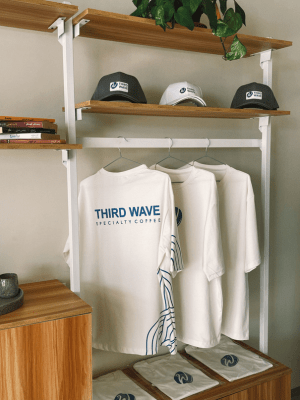
- Long-Term Memory: 89% of consumers remember the advertiser on a promotional item even two years after receiving it.
- Extended Life: Unlike a digital impression that disappears in a fraction of a second, 78% of US consumers say they would keep a useful promotional item.
Low Cost-Per-Impression (CPI): While Pay-Per-Click (PPC) and CPM costs continue to rise, promotional merchandise delivers one of the lowest cost-per-impression metrics in media buying.
- A single quality item generates between 2,000 and 4,000 lifetime impressions as it is worn or used in public.
- Premium categories like outerwear, bags, and drinkware yield thousands of organic views, driving the effective CPI down to a fraction of a cent per impression.
High Consumer Demand and Positive Sentiment: We are living in a digital ‘attention recession’ fueled by an oversaturation of AI and intrusive ads. 91% of users feel digital ads have become more intrusive, while 93% block or skip them whenever possible. Promotional products are genuinely welcomed by consumers.
- Intent to Buy: 79% of US consumers would have a more favorable impression of an advertiser after receiving a promotional product.
- High Value: 99% of consumers are willing to go out of their way to obtain a useful, high-quality promotional item.
The Takeaway for Marketers: Digital advertising rents attention for a fleeting second; physical promotional products own space in your prospect’s daily life. Building a physical touchpoint into your campaign isn’t just a branding play; it is a data-backed strategy to bypass digital fatigue and maximize lifetime return on ad spend.
How Does Utility Drive a Sub-Cent Cost-Per-Impression (CPI)?
The secret to generating thousands of organic impressions from a single promotional item is practical utility; the measure of how effectively an object solves an everyday physical need.
When a product carries high daily utility (like a premium travel mug, an umbrella, or a canvas tote bag), it transitions from a “gimmick” into a permanent fixture of the recipient’s daily routine. Every touchpoint creates repeating, passive ad views for both the user and surrounding onlookers.
The Math of High Utility: A $5 custom insulated tumbler used daily for two years generates roughly 730 primary impressions; plus hundreds more from bystanders on commutes or in offices. At ~1,000 total impressions, your effective CPI drops to $0.005 (half a cent). Low-utility items (like cheap novelties or throwaway flyers) get discarded immediately, spiking CPI.
| Metric | Digital Banner / Social Feed Ads | Promotional Products |
| Average View Duration | < 1.5 seconds | Daily use for 12+ months |
| Brand Recall Rate | ~10% – 20% | 80% – 90%+ |
| Ad-Blocker Vulnerability | High (30%+ blocked) | Zero (100% bypass) |
| Consumer Sentiment | Intrusive | Welcomed / Useful |
By combining functional daily utility with zero-ad-blocker real-world visibility, merchandise turns every routine use into a sub-cent impression that builds lasting brand recall.
Top High-Utility Merchandise Categories for Maximum Impressions:
The key to driving sub-cent impressions is choosing categories with long shelf lives and high daily utility. ASI’s 2026 Ad Impressions Study demonstrates why these four categories dominate performance:

Apparel & Outerwear: Higher upfront costs are offset by unmatched exposure. A single branded jacket garners nearly 10,000 lifetime impressions, the highest of any category, driving its effective CPI down to under 4/10 of a cent. Outerwear is also among the top categories consumers are most excited to receive, turning employees and clients into long-term walking brand ambassadors in high-traffic public spaces.

Bags & Totes: Generating roughly 5,000 lifetime impressions for a standard tote, bags deliver one of the lowest costs-per-impression in advertising at 1/10 of a cent. Beyond their sheer visibility in grocery stores, airports, and commutes, consumer sentiment is exceptionally strong: over 86% of consumers report a more favorable view of brands offering sustainable or socially responsible bags.
Drinkware & Office Items: Securing daily real estate on office desks, in meetings, and at gyms, drinkware accounts for over 10% of industry sales for a reason. With 78% of consumers citing utility as the main reason they keep promo products, items that solve a daily need (like reusable water bottles or tumblers) stay in active circulation for a year or longer, driving predictable daily impressions.
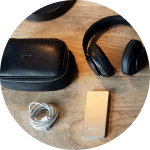
Tech Accessories & Everyday Carry: Essential tools for hybrid workers, such as power banks, chargers, and cable organizers, boast a long shelf life due to their high practical value. Portable tech accessories like power banks generate over 1,800 lifetime impressions, while 81% of consumers say receiving tech gear makes them more likely to do business with the advertiser.
How Can You Elevate Your Promotional Strategy?
 Use Promotional Products Work! Day on August 28 as an opportunity to audit and optimize your physical marketing strategy:
- Prioritize Quality Over Quantity: Trade cheap throwaway trinkets for retail-grade, eco-conscious items. Fewer high-quality items drive vastly higher long-term sentiment and lower CPI.
- Fuel Internal Culture: Leverage custom merch for employee onboarding, milestone celebrations, and remote team unification.
- Integrate with Digital Campaigns: Combine physical merchandise drops with Account-Based Marketing (ABM) outreach. Sending a targeted gift before a sales outreach call increases meeting conversion rates significantly.
Take the Next Step with BAMKO
Transforming disposable ad spend into a high-performing physical merchandise program doesn’t have to be complicated. Whether you need to streamline global distribution, elevate product design, or optimize campaign ROI, BAMKO can help.
Schedule a quick, 30-minute strategy call with the BAMKO team today. We will audit your current promotional merchandise program, identify gaps in product utility, and curate a custom, high-impact merch kit tailored specifically to your upcoming seasonal campaigns.
Promotional Products ROI & Effectiveness FAQ