

As we move through 2026, sustainability has transitioned from a marketing differentiator to a mandatory baseline for corporate procurement and ESG compliance.
This recap of our recent webinar, The Future of Sustainability: Sourcing, Strategy & Brands with an Impact, provides a strategic roadmap for balancing the triple bottom line of sustainability (Planet, People, and Inventory) while highlighting the material innovations and brands that are currently leading the circular economy.
Missed the live session? Watch the full webinar recap here.
Why is a Sustainable Sourcing Strategy Important in 2026?
 Two years ago, sustainable products represented 13.8% of total industry revenue. Since then, it’s been growing at a staggering 20% year-over-year.
If there was ever a lingering doubt, let it be cleared now: sustainability is no longer a “niche” category or a buzzword reserved for Earth Day. It is a dominant market force, and your customers are already asking for it.
However, when the ask is to be “more sustainable,” the conversation often stalls because of one major problem: ambiguity.
To build a program that delivers measurable ROI and true ESG (Environmental, Social, and Governance) impact, brands have to move beyond the surface-level “buy recycled” advice. They need a framework that treats sustainability as a three-dimensional strategy.
One Word, Three Meanings: The Triple Bottom Line of Sustainability
The biggest mistake brands make is equating sustainability solely with the “green” movement. While the planet is a vital third of the equation, a truly resilient brand strategy requires balancing three distinct, operational pillars. If you skip one, the whole program wobbles.
-
-
-
-
-
-
-
-
-
-
-
-
- Environmental Sustainability (The Planet): This is the most visible pillar and the one most people picture first. It focuses on the resources consumed and the emissions produced throughout a product’s lifecycle. It requires intentional choices in materials, manufacturing, and carbon-efficient logistics.
- Social Sustainability (The People): This looks at the human side of the supply chain, ensuring the people behind the products are treated with dignity. It prioritizes fair labor, safe working conditions, and radical transparency from factory to finish.
- Economic Sustainability (The Inventory): True sustainability requires long-term financial health and the elimination of physical waste. This is achieved through smart inventory management and data-driven ordering to ensure you only produce what you need.
-
-
-
-
-
-
-
-
-
-
-
When you reduce the footprint, honor the people, and build something that lasts financially, sustainability stops being a label and starts being a competitive advantage.
What Are the Top Sustainability Trends for 2026?
The value of your sustainable merchandise, whether it’s a client gift or employee appreciation program, is defined by the experience it creates. It’s no longer just about the item; it’s about how that item aligns with your brand and the recipient’s values.
To achieve true sustainability, brands are moving toward three actionable trends that prioritize data, durability, and depth: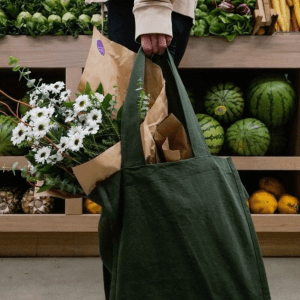
- Optimizing Elements: This is the technical side of sourcing. It focuses on selecting materials based on their specific carbon footprint, energy efficiency, and degradation cycles.
- Brands with an Impact: Transparency is the new gold standard. This trend prioritizes partnerships with brands that offer trackable, measurable impact, allowing your recipients to see exactly how their gift funded ocean plastic removal or supported fair-wage employment.
- Purposeful Customization: We are pairing the emotional impact of custom, high-end gifting with long-term utility. By creating unique, branded items that people actually want to keep, we eliminate the waste associated with “throwaway” merch.
By focusing on these three pillars, you ensure your sustainability strategy is measurable, memorable, and, most importantly, effective.
Optimizing Elements: How to Choose the Right Material for your Merch
In 2026, choosing the right material is no longer just about aesthetics or “feel.” It is a technical decision rooted in energy efficiency, carbon math, and degradation cycles. As brands move toward circularity, understanding the “why” behind the material is just as important as the product itself.
How Does RPET Reduce Carbon Footprints?
Recycled Polyethylene Terephthalate (RPET) has become a cornerstone of the circular economy. It is a simple textile made from recycled plastic bottles, but its environmental value lies in the physics of production.
Traditional “virgin” polyester requires a high-heat, chemical-heavy process that begins with drilling for oil. In contrast, RPET bypasses the extraction phase entirely. It is significantly more energy-efficient to shred and melt an existing bottle than it is to build plastic from scratch.
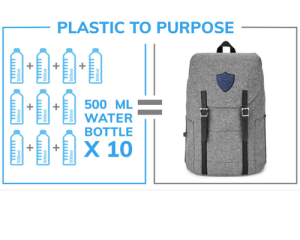
- Massive Energy Savings: Switching to RPET uses 60% less energy than virgin polyester production.
- Reduced Extraction: Because no energy is spent pumping oil from the ground to create new fibers, the carbon output is dramatically lower.
- Circular Transformation: By giving a second life to materials that would otherwise contaminate our oceans or landfills, RPET keeps plastic in the economy and out of the ecosystem.
Sustainable Packaging: Eliminating Single-Use
 As global regulations tighten, more countries are moving away from single-use containers to mandate a circular economy. This shift isn’t just happening in food service; it’s transforming electronics and global logistics as well.
The goal is to design packaging that never becomes waste, transitioning from “disposable” to “durable” or “compostable.” By eliminating single-use plastics in your packaging, you’re future-proofing your supply chain against upcoming international bans and consumer backlash.
Molded pulp has emerged as the premier choice for the eco-conscious market, systematically replacing single-use plastic bags and Styrofoam peanuts. This plant-fiber material is popping up everywhere, from high-tech electronics packaging to premium cosmetics, because it offers structural integrity without the 500-year environmental “hangover” of plastic.
The Premier Choice for Packaging Material: The Molded Pulp Matrix
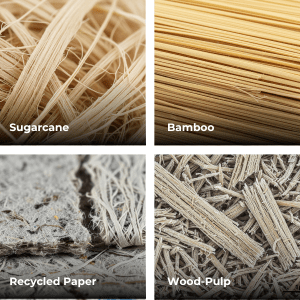
Molded pulp is made from natural, renewable resources like sugarcane, bamboo, and recycled paper. Unlike plastic, which breaks down into harmful microplastics, molded pulp is fully biodegradable and compostable.
| Material | Degradation Time | Average Fiber Length | Growth Cycle/Source |
| Sugarcane | 90 Days | 1.0 – 1.6mm | Annual (Abundant) |
| Bamboo | 120 Days | 1.5 – 2.0mm | 1–3 Years (Rigid) |
| Recycled Paper | 63 Days | 0.8 – 1.2mm | Circular (E-commerce) |
| Wood Pulp | 52 Days | 2.3 – 3.0mm | 15 Years (Industrial) |
By selecting materials based on these specific performance metrics, brands can ensure their sustainability claims are backed by hard data rather than just good intentions.
What is the Impact of Informed Material Choice?
Selecting the right material is about more than just checking a “green” box; it is a fundamental shift in how a brand operates and communicates its values. When we move away from cheap, disposable inputs and toward intentional materials like RPET and molded pulp, the benefits ripple across the entire organization.
By prioritizing high-quality, sustainable materials, brands can achieve:
- Significant Carbon Reduction: Utilizing recycled or rapidly renewable inputs directly lowers the energy intensity of your supply chain.
- Zero Waste to Landfill: Implementing biodegradable materials like sugarcane or wood pulp helps companies meet aggressive waste-diversion goals.
- Streamlined Product Lines: A focus on quality over quantity allows you to produce fewer, more effective SKUs that carry more brand weight.
- Extended Product Lifespans: Sustainable sourcing often results in more durable goods, ensuring your brand stays in the hands of the recipient longer.
- Circular Plastic Solutions: Transitioning to RPET ensures that the plastics used in your program are part of a widely recyclable or reusable ecosystem.
- Data-Driven Transparency: By capturing impact data across all product categories, you provide leadership with the metrics needed for ESG reporting.
Ultimately, this transition educates buyers and empowers stakeholders to make informed product decisions. It moves the conversation away from “what is the cheapest item?” to “what is the best item for the planet and our brand?”
Which Brands Are Leading in Ethical Sourcing and Impact?
In our webinar, we highlighted several trailblazers who are rethinking the “Product Experience” by turning waste into wonder and prioritizing human dignity. These aren’t just manufacturers; they are impact engines that allow your brand to tell a story of restoration rather than consumption.
RUPT: Turning Waste into Wonder
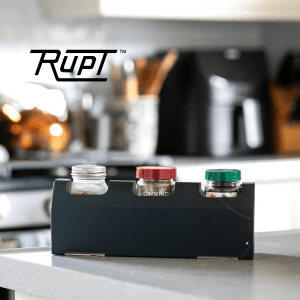 RUPT is on a mission to solve the “unboxing” waste problem. Instead of a box that immediately heads to the landfill, RUPT designs high-end packaging that transforms into functional household objects. By engineering the box to have a second life, they eliminate single-use waste at the source.
-
-
-
-
-
-
-
-
- The Impact: A simple box becomes a desk clock, a bird feeder, a spice rack, or even a mini-greenhouse.
- Merch Scenario: Perfect for high-end executive gifting or employee welcome kits where the packaging itself becomes a permanent, branded fixture on the recipient’s desk or in their home.
-
-
-
-
-
-
-
GOMI Tech: Trash into Treasure
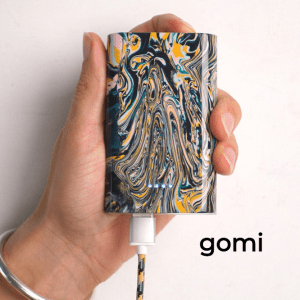 GOMI Tech tackles one of the hardest materials to recycle: flexible plastics like mailer bags and bubble wrap. They process these non-recyclable “problem plastics” and compress them into raw materials for tech products, creating mesmerizing, marble-like patterns that are unique to each piece.
-
-
-
-
-
-
-
-
- The Impact: Every product is aesthetically unique, ensuring that what was once literal trash is now a premium, one-of-a-kind tech accessory.
- Merch Scenario: Ideal for tech-forward companies or sustainability-focused events. Use GOMI power banks or speakers to visually demonstrate your commitment to “cleaning up” the supply chain.
-
-
-
-
-
-
-
RIPL: Measurable Environmental Funding
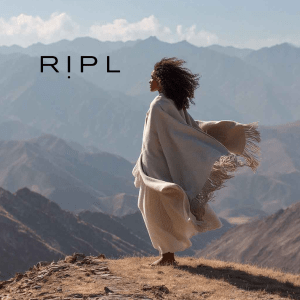 RIPL is proving that a product can be a direct vehicle for environmental and social funding. RIPL focuses on the power of one product, for one day of change. Their “1 Bottle = 1 Day of Employment” model provides a tangible way for brands to report on their impact.
-
-
-
-
-
-
-
-
- The Impact: Every RIPL bottle funds a specific, measurable day of work for coastal plastic collection, rainforest protection, or local education.
- Merch Scenario: Use these for large-scale corporate summits or appreciation programs, like this annual program BAMKO conducts for MetLife. You can show your team, “because of this purchase, we collectively funded 500 days of ocean plastic removal.”
-
-
-
-
-
-
-
Parker Clay: Empowerment Through Craftsmanship
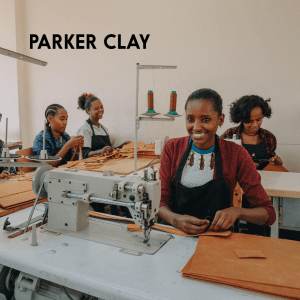 Parker Clay is the gold standard for social sustainability. While many brands focus on the “Planet,” Parker Clay focuses on the “People.” By handcrafting world-class leather goods in Ethiopia, they provide meaningful employment to women, protecting them from exploitation and providing a living wage.
-
-
-
-
-
-
-
-
- The Impact: Their business model is a “Certified B Corp” success story that measures success by the number of hours of dignified work created for the community in Addis Ababa.
- Merch Scenario: The ultimate choice for high-tier loyalty rewards or luxury client gifts. A Parker Clay leather bag isn’t just a gift; it’s a conversation piece about human rights and economic empowerment.
-
-
-
-
-
-
-
A highlight of our webinar was hearing from Ian Berkley regarding the Parker Clay business model, which provides meaningful, dignified employment for women, creating a ripple effect of empowerment across communities.
A Note of Gratitude:
We believe in supporting the brands that share our vision for a better future. Thanks to the participation of our attendees, we are proud to announce a $2,500 donation to Parker Clay to support their mission of creating sustainable, ethical employment.
Purposeful Customization: Making Sustainability Personal
BAMKO bridges the gap between high-level material science and meaningful brand experiences. We facilitate direct partnerships with the trailblazers mentioned above, ensuring your sustainable strategy feels personal, not just corporate.
Whether it’s an employee appreciation program featuring RIPL water bottles engraved with individual names or 100% unique GOMI tech accessories that showcase the beauty of recycled plastic, we handle the logistics of the “personal touch.” By combining these innovative material processes with our custom design capabilities, we help you create high-utility, high-impact gifts that recipients cherish; effectively ending the cycle of disposable merch.
How Can I Get Started with Sustainable Sourcing?
The transition to a sustainable brand strategy doesn’t happen overnight, but it starts with a single conversation. Whether you need help navigating RPET certifications or want to design a custom recognition program that gives back, we are here to guide the way.
Watch the Future of Sustainability Webinar Recap Here.
Connect with BAMKO today to learn how we can help you reduce your footprint, honor the people in your supply chain, and build a program that lasts.
Future of Sustainability FAQ