

In an era of instant gratification and infinite product availability, traditional retail models face consumer fatigue. That’s why trendy brands are pivoting from continuous product supply to tactical, limited-time merchandise offers. Limited merchandise drops are the strategic release of highly exclusive, branded collectibles. This scarcity marketing tactic boosts your campaign through three strategic advantages:
- Increased perceived product value: Restricting supply elevates standard items into rare, high-status assets that command a premium.
- Accelerated consumer decision-making: Dwindling stock counts and tight windows eliminate buyer hesitation, forcing immediate action to avoid regret.
- Automated organic social proof: Exclusive drops naturally spark online buzz as fans showcase their rare wins, turning customers into active brand advocates.
Through custom, high-concept product design and synchronized digital-physical rollouts, brands can successfully transition from transactional vendors to true lifestyle choices, capturing immediate ROI and sustained cultural relevance.
How Exclusive or Limited-Time Offer Merch Drives Modern Brand Engagement
There is a specific, sinking feeling that hits when you see a limited-quantity notification or a red banner across an item you were just about to buy. It’s a mix of instant regret and a strange, heightened desire for the thing you suddenly can’t have.
In an era where almost any consumer good can be delivered to your doorstep within 24 hours, infinite availability has backfired on brands. When everything is always in stock, everyday items start to feel like mere commodities.
To break through this noise, modern marketing requires a strategic shift from mass availability to deliberate engineering. That is where scarcity marketing and physical merchandise intersect.
 1. The Power of Scarcity Marketing (The “Why It Works”)
 1. The Power of Scarcity Marketing (The “Why It Works”)
Scarcity marketing isn’t actually about a lack of resources; it’s about the strategic engineering of value. When human beings perceive that an item is rare or fleeting, our cognitive bias shifts, we instantly assign it a higher worth.
By introducing artificial boundaries around a product, a brand can turn a passive browser into an active, motivated buyer. You are no longer just selling the utility of an item; you are selling the ticking clock, the thrill of the chase, and the psychological reward of securing something before it vanishes.
2. Merchandising the Moment (The “How It Drives Engagement”)
 While scarcity can be applied to digital goods or software access, physical merchandise is the ultimate vehicle for driving modern brand engagement. Why? Because a physical product can be worn, displayed, and flaunted in the real world and across social media.
When you offer limited-edition merch that feels rare and exclusive, you aren’t just moving physical inventory; you are creating a tangible badge of insider status. This is the ultimate catalyst for community building.
When done right, a targeted product drop turns ordinary consumers into brand advocates who are willing to wait in digital lines, compete for checkout, and flood social channels with content. You are leveraging a physical asset to generate organic, word-of-mouth vitality that traditional advertising simply cannot buy.
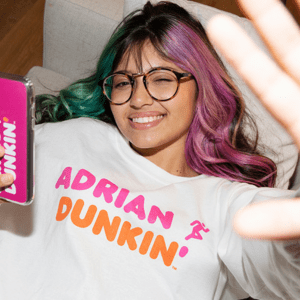
Proof in Action: Look at the holiday pop-up shop designed for Dunkin’. Within just one day of launch, the campaign became a viral sensation, generating a staggering 186 million impressions and 35,000 social media engagements. By capturing the hearts and wallets of superfans through physical merch, the launch proved BAMKO’s ability to create engaging, multi-channel marketing experiences that drive massive, real-world results.
What Are Limited-Time Offer Campaigns?
When we see something in limited supply, our brains bypass logic and head straight for desire.
According to marketing expert Jodie Shaw, scarcity isn’t just a sales tactic; it’s a psychological trigger. At its core, executing a limited-time offer involves restricting either the absolute supply of an exclusive merchandise item or the precise time window in which fans can secure it. By creating a temporary gap between consumer demand and physical supply, brands transform a routine transaction into an urgent, interactive event.
Ultimately, limited-edition product drops work because they tap into three fundamental parts of the human psyche:
Human Hardwiring: Value = Availability
 We are evolutionarily programmed to believe that rare items are more valuable for survival and status. In a market context, if everyone has an item, it’s a commodity; if only 100 people have it, it’s a treasure.
- Where Scarcity Falls Flat: When a brand underestimates demand or relies on raw scarcity, the item sells out in seconds. Instead of creating a sense of value, it breeds immediate consumer frustration. If your target audience feels the game is rigged or that they never stood a chance, they don’t value the product; they resent the brand for wasting their time.
- Instead of relying on blind scarcity that locks people out, you can flip traditional retail upside down using a structured time window. Look at how Nestlé Coffee mate launched their ready-to-drink iced coffee. By triggering urgency on a reverse-priced asset within a strict 48-hour window, the entire collection sold out cleanly, bypassing consumer hesitation.
The FOMO Factor: The Need for Access
 Limited-edition drops trigger a deep-seated Fear Of Missing Out. In these scenarios, the marketing isn’t actually about the product’s utility; it’s about the access. Being one of the few who “made the cut” provides a sense of belonging and insider status.
- When FOMO Doesn’t Feel Inclusive: If the barrier to access is too high or feels overly restrictive, the FOMO curdles into exclusion. Instead of making your brand feel elite, it makes it feel unapproachable and “not for everyone.” For an enterprise brand, an overly restrictive drop can accidentally signal to your broader customer base that you no longer care about their business.
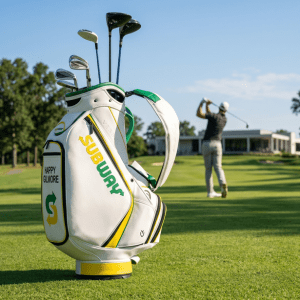
- To tap into FOMO without isolating your audience, the drop must be anchored to deep cultural relevance rather than artificial exclusion. For the return of Happy Gilmore, Subway utilized a precise Quantity Cap strategy. By capping the quantity and timing the drop perfectly to match the cultural moment, the merchandise felt like a rare asset.
The Collector Identity: The Hunt for the “Full Set”
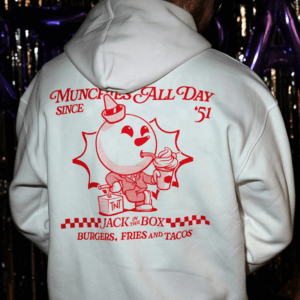 Scarcity fuels the innate human desire to hunt, gather, and complete a collection. This collector identity turns a one-time customer into a long-term brand advocate who stays engaged for years in pursuit of the next rare find.
- The Cult of Collectors: The danger of chasing the collector mindset is narrowing your scope too much. If the hook is too obscure, you end up targeting an incredibly niche audience of people who already know exactly who you are, completely failing to attract new customers or drive mass-market engagement.
- The key is to gamify the product design itself, making it so uniquely engaging that it appeals to core fans while turning heads in the broader market. For Jack in the Box, the goal was to make the gear “tastefully unhinged” and highly collectible to transcend a niche audience.
Five Reasons Your Limited-Time Offer Merchandise Works
According to Socium Media, well-executed scarcity campaigns don’t just move inventory; they transform a brand’s financial trajectory. For example, during Jack in the Box’s mascot birthday drop, capitalizing on the collector mindset drove a staggering 300% increase in order volume on day one alone. By eliminating the “maybe later” hesitation, all six limited-edition products completely sold out, driving massive immediate revenue.
By flipping the script on the traditional retail model (where price is often a race to the bottom), scarcity allows brands to command a premium while simultaneously curing the “maybe later” hesitation that leads to high cart abandonment.
When supply is intentionally low, consumers stop analyzing and start acting, viewing the purchase as a rare asset rather than a commodity.
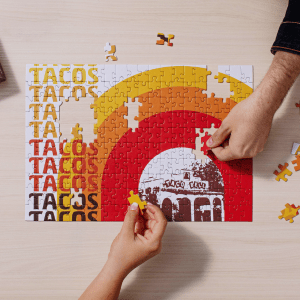
- Exclusive Merchandise Feels Personal: A limited-run product release isn’t a generic giveaway; it’s a shared memory. Owning a restricted item makes your customers feel chosen, turning custom apparel into an authentic badge of relevance.
- Limited Product Drops Create Entertainment: Consumers willingly hunt, track, and compete for exclusive goods. When an item sells out in minutes, it generates consumer excitement that normal, predictable e-commerce listings simply cannot replicate.
- They Scale Across Every Budget Level: Limited-time frameworks are highly adaptable. Brands can execute sharp, hyper-focused accessory drops for a quick campaign win, or invest in custom, high-concept retail apparel for maximum market disruption.
- Custom Gear Fits Every Target Demographic: The physical product can be tailored specifically to your goal; whether that means designing a niche tech accessory for Gen Z tastemakers, a vintage apparel item for nostalgic shoppers, or high-end rewards for internal corporate networks.
- Urgency Accelerates the Buying Loop: Ticking clocks and dwindling stock counts force an immediate choice. This eliminates the traditional friction points of consumer over-analysis and delay, moving products directly from launch to checkout.
In simple words, you get more brand equity. One campaign gives two experiences: immediate sales revenue plus an ongoing cultural conversation. That is what makes limited drops so powerful.
The Limited Merchandise Matrix: How to Plan Your Next Viral Moment
A successful product drop requires balancing structural logistics with consumer psychology. First, you choose your structural strategy constraint. Then, you select the behavioral framework it activates.
| Campaign Style | Physical Product Strategy | Core Behavioral Trigger | Desired Target Outcome |
| The Quantity Cap | Strategically low production runs (e.g., only 100 units made) | Human Hardwiring: Lower availability causes people to view merchandise as a premium treasure. | Increased Perceived Value: Commands higher price points and lowers price sensitivity. |
| The Window Restriction | Access strictly limited to a brief timeline (e.g., 24–48 hours) | The FOMO Factor: Fear of Missing Out turns product access into an urgent mission. | Accelerated Decision Making: Forces immediate purchases and cures cart abandonment. |
| The Extended Hunt | Hidden variants, rare chase items, or custom collection sets | The Collector Identity: Taps into the innate human desire to gather and complete sets. | Social Proof on Autopilot: Creates self-sustaining communities that trade, discuss, and advocate. |
By aligning the right physical constraint with its natural psychological trigger, you shift your merchandise from a simple commodity to a must-have cultural event.
BAMKO Success Stories: 3 Examples of Exclusive Merch in Action
At BAMKO, we don’t just speculate on the power of scarcity, we engineer it. By combining strategic product design with flawless execution, we’ve helped some of the world’s most recognizable brands turn simple promotions into “must-have” cultural moments.
Nestlé Coffee mate: How the Window Restriction framework led to a viral phenomenon
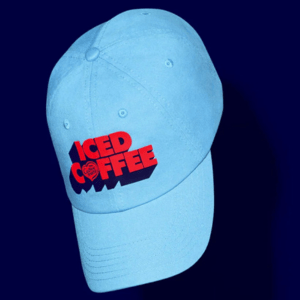
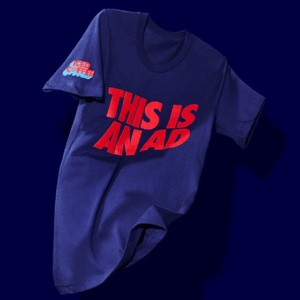
- The Strategy: To launch Coffee mate’s new ready-to-drink iced coffee, the campaign needed something bolder than a standard advertisement. The brand introduced an exclusive apparel collection featuring the cheeky slogan “THIS IS AN AD”—a playful nod to the brand’s unapologetic fandom. To spark immediate interest, they flipped traditional retail upside down: they actually paid fans $10–$15 via a custom microsite to claim and wear the gear.
- The Result: By triggering fear of missing out (FOMO) on a reverse-priced asset, the campaign bypassed consumer hesitation. Combined with an interactive web portal and the viral #CoffeemateContest, the entire collection sold out in a mere 48 hours, successfully accelerating decision-making and repositioning a 60-year-old legacy brand as modern and Gen Z-friendly.
Subway x Happy Gilmore: How the Quantity Cap strategy led to a 24-hour sell-out
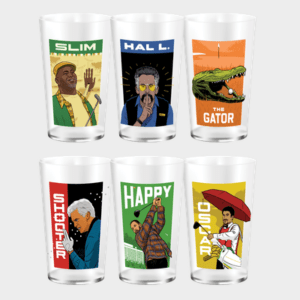
- The Strategy: To celebrate the long-awaited return of a cult classic movie, the brand tapped into deep-seated pop-culture nostalgia. Instead of a massive, ongoing retail run, BAMKO helped them craft a Quantity Cap strategy. They designed a strictly limited line of retro gear, including vintage-style golf polos, custom headwear, and collectible pint glasses that felt like they were pulled straight from the 1990’s.
- The Result: By keeping production numbers low, the brand naturally skyrocketed the perceived value of the gear. The limited nature of the release turned fans into passionate hunters. Because the merchandise was treated as a rare asset, the entire line sold out within 24 hours, instantly placing Subway at the center of the year’s biggest viral movie moment.
Jack in the Box: How the Extended Hunt framework led to a 300% increase in order volume
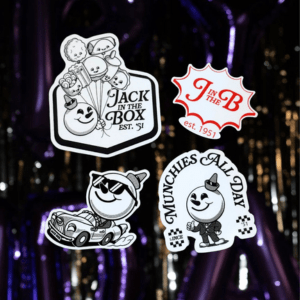
- The Strategy: For the Jack-in-the-Box mascot, Jack’s, birthday, the brand moved completely beyond standard logo wear to gamify their launch using the Extended Hunt methodology. The anchor of the drop was a highly collectible, interactive custom heavyweight sweatshirt featuring a built-in magnetic liner specifically engineered to hold a replica of Jack’s iconic yellow hat, turning a simple garment into a coveted “full set” collector’s piece.
- The Result: By making the gear “tastefully unhinged” and highly collectible, we hit a nerve with the brand’s super-fans. The campaign saw a 300% increase in order volume on day one, with all six limited-edition products selling out and driving massive immediate revenue.
The BAMKO Approach: How a Managed Service Provider Helps Design the Product Experience
Any agency can put a logo on a hoodie. A managed service provider like BAMKO designs true cultural moments.
A merchandise Managed Service Provider (MSP) is an end-to-end partner that completely handles the complex lifecycle of a brand’s physical assets, from creative product design and ethical sourcing to custom web development, warehousing, and global fulfillment. Instead of your internal teams managing a chaotic web of separate factories, tech developers, and shipping vendors, a specialized MSP centralizes everything under one strategic roof.
At BAMKO, we know that a successful drop isn’t just about the product; it’s about the narrative, the timing, and the community it builds. While others focus on fulfillment, we focus on the “why” before the “what,” ensuring every limited release serves a specific strategic goal.
Our approach bridges the gap between physical goods and digital hype through three key pillars:
- Strategy First (Finding the “White Space”): We don’t guess; we identify. Our team dives into your brand’s community to find the untapped white space, whether that’s a burgeoning Gen Z aesthetic, a deep-seated nostalgic hook, or a piece of functional novelty that solves a problem fans didn’t know they had.
- Moving Beyond the Logo: We push the boundaries of traditional “merch” by creating custom, high-concept items that feel like retail-grade collectibles. Our goal is to move your brand from being a “vendor” to a “lifestyle choice” by designing products that people actually want to show off.
- The Digital + Physical Bridge: A drop shouldn’t end at the checkout page. We build the infrastructure to make the experience stick, including dedicated microsites for the launch, social media challenges that fuel viral participation, and curated “unboxing” experiences designed to look perfect on a TikTok or Instagram feed.
By the time the package arrives at the customer’s door, the sold-out status has already cemented your brand’s place in the cultural conversation.
Your Brand, Our Strategy
At BAMKO, we don’t just supply promotional products; we manufacture the hype. We understand that the most successful drops happen at the intersection of your brand’s unique DNA and your audience’s deepest, often unspoken, desires.
Whether it’s through 100% custom and exclusive products or a curated digital storefront that disappears in 24 hours, we help you bridge the gap between a simple transaction and a lasting cultural memory.
Ready to design your next “Sold Out” moment? Let’s build something together.
Scarcity Marketing & Limited-Time Offers FAQ