

September 16th marks NAUMD’s National Uniform Day, a day dedicated to recognizing the public safety personnel, hospitality staff, aviation crews, and industrial frontline workers who power our economy.
For corporate leaders, National Uniform Day is also a strategic wake-up call: Is your employee uniform program an operational liability, or is it a competitive advantage?
Outdated uniform programs often prioritize low unit costs over the employee experience, leaving workers with stiff, ill-fitting gear that results in poor compliance, low morale, and a fragmented brand perception. The modern workplace demands a higher standard.
Research from the University of Oxford found that satisfied employees are up to 31% more productive, while a separate study by Coventry University revealed that well-fitting, well-designed uniforms can increase employee happiness by as much as 22%. Fabric technology is the invisible engine behind those gains, transforming corporate apparel from a line-item expense into a powerful driver of performance, retention, and brand pride.
Through the combined expertise of BAMKO (global custom merchandise and brand management) and HPI (our dedicated high-performance uniform division), we have built an engine for producing award-winning employee uniform programs.
This blog breaks down how our enterprise partners use our expertise to transform basic workwear into strategic assets.
Why Invest in Custom? The “Wearer-First” Framework for Corporate Work Uniforms
A corporate uniform program is the only operational touchpoint that simultaneously impacts employee retention, workplace safety, and customer perception.
When organizations rely on generic, off-the-shelf catalog options, they sacrifice comfort, fit, and durability. The resulting discontent leads to low employee compliance, reduced brand pride, and accelerated turnover among frontline staff.
To build an award-winning program, BAMKO and HPI utilize a “Wearer-First” design methodology. This architecture grounds every garment choice in three core operational business drivers:
1. Boosting Retention & Performance Through Ergonomic Work Uniforms
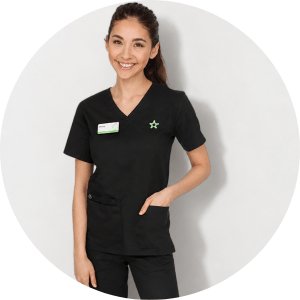 Frontline workers across aviation, hospitality, and field service endure demanding physical conditions. Restrictive, stiff fabrics increase daily physical fatigue and signal to employees that their comfort is an afterthought.
Modern employee uniform programs address this issue by incorporating athletic-inspired construction. By utilizing four-way stretch fabrics, ergonomic seam placement, moisture-wicking technology, and tailored sizing cuts, uniforms adapt to the movement of the worker.
-
-
-
-
-
-
-
-
-
- The Business Impact: Prioritizing functional comfort directly improves daily productivity, reduces shift fatigue, and decreases turnover in high-friction frontline roles.
-
-
-
-
-
-
-
-
2. Improving Safety & Compliance with High-Performance Workwear
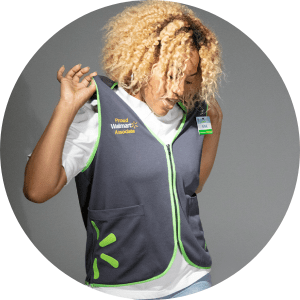 In regulated industries, a uniform is a primary line of defense. However, safety features are only effective if workers wear the garments correctly. When protective gear is heavy, hot, or ill-fitting, employees often roll up sleeves, unbutton collars, or remove layers altogether, introducing severe safety risks and corporate liability.
Wearer-first engineering integrates critical protection, such as high-visibility reflection, flame resistance, arc-flash defense, and weatherproofing, into lightweight, breathable silhouettes.
-
-
-
-
-
-
-
-
-
- The Business Impact: Aligning compliance requirements with wearer comfort yields higher on-site safety compliance, fewer job-site injuries, and protected organizational risk profiles.
-
-
-
-
-
-
-
-
3. Driving Brand Advocacy Through Workwear Fashion and Business Professional Style
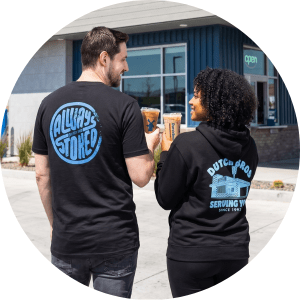 Your uniformed staff represents the physical embodiment of your company. Outdated, ill-fitting, or easily stained apparel erodes worker confidence and communicates a neglected brand identity to the public.
Contemporary workwear fashion bridges the gap between utilitarian performance and business professional aesthetics. By applying retail-quality finishing, modern color palettes, and inclusive sizing profiles, custom workwear instills a sense of professional pride in the workforce.
-
-
-
-
-
-
-
-
-
- The Business Impact: When employees feel confident in their work uniforms, they act as active brand ambassadors, driving higher customer trust at every physical interaction.
-
-
-
-
-
-
-
-
Proof in Action: How Top Brands Build Award-Winning Employee Uniform Programs
Theory means little without real-world execution. Building an award-winning uniform program requires balancing complex supply chains, diverse workplace environments, and specific employee needs.
By combining BAMKO’s global merchandise management with HPI’s technical apparel engineering, we have created customized, high-performance programs for some of the world’s most recognizable brands. Here is how three industry leaders transformed their workwear into strategic assets:
Kampgrounds of America (KOA): Custom Outdoor Workwear for Active Field Teams
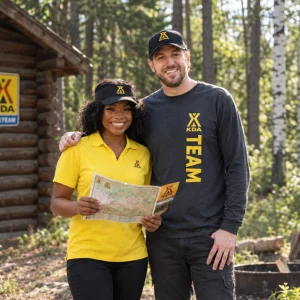 Outdoor hospitality teams face constantly shifting weather, heavy physical labor, and direct guest interactions. KOA needed a cohesive uniform program that could protect field crews across diverse North American climates while maintaining a warm, approachable image for campers.
BAMKO and HPI developed a custom line of active outdoor apparel using durable, weather-resistant materials designed for continuous movement. By focusing on breathable insulation, water-repellent outer layers, and vibrant, recognizable branding, the program delivered lightweight comfort without sacrificing durability.
- The Result: Field staff gained gear built for heavy daily use, resulting in elevated crew morale, higher guest recognition, and an improved outdoor brand identity.
- Read the Full Story: Kampgrounds of America Uniform Program
Spirit Airlines: Blending Aviation Mobility with Business Professional Work Uniforms
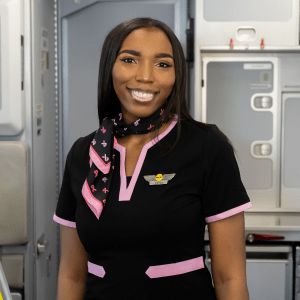 Aviation uniforms operate under incredible strain. Flight crews, gate agents, and ground personnel navigate extreme climate variations, tight physical spaces, and rigorous safety standards, all while maintaining a crisp, professional appearance in front of millions of travelers.
To meet these demands, the program focused on high-stretch, wrinkle-resistant suiting and high-performance technical garments. Flight attendant collections featured sleek, tailored cuts that allowed unrestricted overhead movement, while ground crew apparel prioritized high-durability fabrics and climate adaptability.
-
-
-
-
-
-
-
-
-
-
-
-
-
- The Result: Spirit Airlines achieved a modern, fashion-forward visual identity across cabin and ground operations, backing their team with garments designed to withstand the physical demands of commercial aviation.
- Read the Full Story: Spirit Airlines Uniform Program
-
-
-
-
-
-
-
-
-
-
-
-
AMC Theatres: Scaling Modern Workwear Fashion Across Hospitality Teams
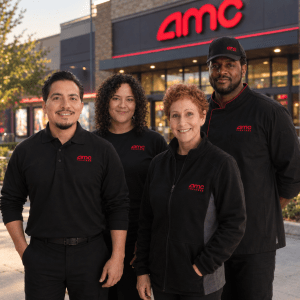 Outfitting tens of thousands of entertainment and hospitality workers across hundreds of decentralized locations presents a massive operational challenge. AMC required a uniform solution that appealed to a young, dynamic workforce, stood up to heavy commercial cleaning, and maintained brand consistency across the nation.
The custom program integrated contemporary retail fashion trends into high-durability service wear. Stain-resistant, easy-care fabrics were paired with modern silhouettes, versatile layering options, and inclusive sizing profiles that catered to every team member.
- The Result: AMC modernized its front-of-house atmosphere, supplying frontline staff with trendy, comfortable uniforms that hold up to continuous wear while projecting a polished, hospitality-first aesthetic.
- Read the Full Story: AMC Theatres Uniform Program
How to Manage Enterprise Employee Uniform Programs: The BAMKO x HPI Solution
For enterprise organizations, managing a large-scale uniform program historically meant choosing between two frustrating options: working with traditional catalog vendors offering rigid, uninspired designs, or hiring boutique fashion agencies that lack global logistics infrastructure.
The strategic partnership between BAMKO and HPI eliminates that compromise.
By marrying BAMKO’s global custom merchandising network, supply chain scale, and proprietary ecommerce portal tech with HPI’s deep technical apparel design and garment engineering expertise, we provide an end-to-end management ecosystem. We handle every phase of program architecture, from initial wear-testing panels and custom fabric sourcing to automated employee allowance tracking and individual door-step fulfillment.
This NAUMD National Uniform Day, moving beyond off-the-shelf catalog gear is more than a celebration of your workforce; it is a direct investment in your company’s operational efficiency, safety compliance, and brand equity.
Elevate Your Workwear Program Today
Is your current uniform program giving your frontline teams the safety, comfort, and pride they deserve?
Whether you need to refresh an existing rollout, streamline decentralized distribution, or build an award-winning custom collection from scratch, BAMKO and HPI are equipped to transform your workwear.
Contact the BAMKO & HPI Team Today to request a program audit, explore custom design concepts, or discover how our technical apparel specialists can serve your workforce.
Custom Uniform Programs FAQ